Rory Cormac

Rory Cormac is a professor of International Relations at the University of Nottingham. He is the author of How To Stage A Coup And Ten Other Lessons From The World Of Secret Statecraft, recently released in paperback.

Sabotage is back in fashion

Sabotage seems to be back with a bang – and if not with a bang, certainly with a lot of smoke. Incidents have come thick and fast since 2022 when someone – and it still is not clear who – sabotaged pipelines in the Baltic Sea to disable the flow of natural gas from Germany to Russia. Since then, we have seen suspicious fires (or attempted fires) everywhere from an Ikea warehouse in Lithuania to a paint factory in Poland; we have seen explosions at defence plants and arms manufacturers spanning the US, Wales, and Germany. Meanwhile, arson brought French railways to a standstill on the eve of the 2024 Olympic Games. And that is to say nothing of the separate – but spectacular – Israeli sabotage of Hezbollah communications devices in September. Sabotage is attritional.
How to stop China spying on our universities

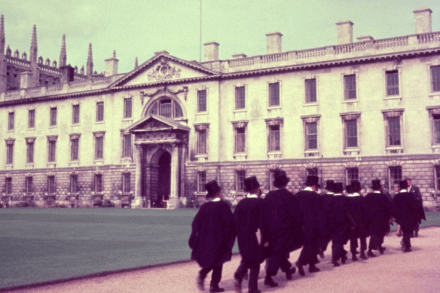
Our universities are not safe from the messy realities of spies and geopolitical competition. The most infamous Soviet spy ring in history – the Cambridge Five - was recruited from, obviously, Cambridge University, back in the 1930s. Kim Philby and co. went on to share all sorts of damaging secret information with Britain’s Cold War adversary. There is an obvious solution The threat has evolved, and hostile states like China are now targeting academia to steal sensitive research from the UK’s world class universities.

Maxim Kuzminov’s death is a message to would-be Russian defectors

Maxim Kuzminov would surely have known that defecting from the Russian military comes with risks. In August last year, the 28-year-old Russian captain seized control of a helicopter and flew it across the border to eastern Ukraine. Doing what Kuzminov did can go two ways. Some make it out alive, and have a secret life abroad – albeit while constantly looking over their shoulders. Others – like Kuzminov, who was shot dead in Spain this week – are not so lucky. Kuzminov isn’t the first soldier to meet a sticky end after turning his back on the Russians. One of the most remarkable defectors in modern history was Abdulrachmann Fatalibey. He was an Azerbaijani soldier decorated for fighting for the Soviets on the Finnish front line.

Who is watching Britain’s spies?

Parliament’s intelligence watchdog is muzzled, neutered and sick.The Intelligence and Security committee, which oversees the UK intelligence community – MI5, MI6, GCHQ etc – released its annual report this week, and it makes for a sad read. The committee says it is ‘concerned’, ‘perplexed’ and ‘disappointed’ with the government. At one point it is ‘deeply disappointed and concerned.’ The government is deliberately obstructing the committee’s work, it says. The ISC’s most serious complaint is that the government is refusing to let them oversee the whole scope of the Britain’s intelligence community. Intelligence and security activities are increasingly devolved to units within Whitehall departments.

China is spying on us, so what?

That China is spying on us is hardly the revelation of the century. The Sunday Times broke the story that police have arrested two men amid allegations that a parliamentary researcher was spying for China. The spy, working on international policy, had alleged links to senior Tory MPs with sensitive information. He had previously lived and worked in China, leaving officials apparently fearing he may have been a ‘sleeper agent’ recruited to infiltrate British political networks.  Cue howls of indignation all round.

Can we brainwash our enemies?

Disinformation is on the rise, and Britain’s spies are on the back foot. Our intelligence leaders warn about election meddling, and our enemies are trying to undermine public trust in our national institutions. The United Kingdom needs to use covert means to disrupt anti-British activities at their source. That’s what Harold Macmillan said in the 1950s, shortly before becoming prime minister. Over half a century later, in 2017, the Chief of MI6 made the same point: adversaries should be ‘playing in their half of the pitch not ours.’ And half a decade on from that, here we are again. This week’s intriguing peek into the secretive work of the National Cyber Force conjures the old saying: the more things change, the more they stay the same.