Nicola Mccartney

Culture note: Curiosity: Art and the Pleasures of Knowing, Turner Contemporary, Margate

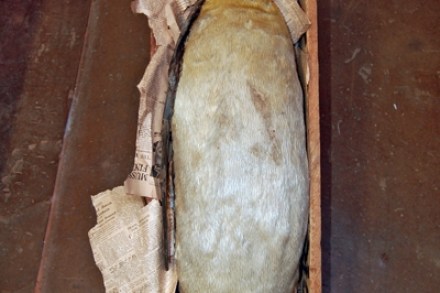
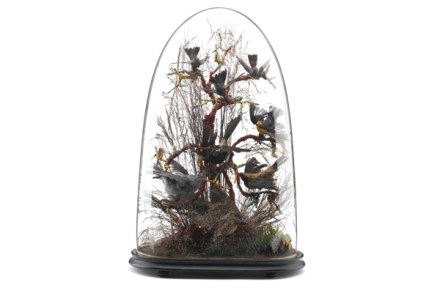
An oversized St Bernard’s body masked with a sheep’s head and a regal peacock with penguin feet and flippers punctuate the start and end of Curiosity: Art and the Pleasures of Knowing at Turner Contemporary, Margate (until 15 September), curated by Brian Dillon. Art and artifacts from around the world represent the glory, revelations and threat of mankind’s inquisitive nature. Thomas Grünfeld’s taxidermy misfits are just two examples of a witty and wondrous collection of objects that we wouldn’t usually have the opportunity to view outside their own dedicated museums or private homes.
Domestic bliss

At Home with the World, the Geffrye Museum’s latest exhibition (until 9 September), reinterprets objects from its permanent collection, highlighting those from overseas or those that have been influenced by other cultures. Because the museum concentrates on the changing styles and tastes of the urban middle class, rather than of the aristocracy, we can appreciate what became popular as a result of mass manufacturing and trade. The most obvious example is the craze for ‘taking tea’ from the mid-18th century onwards. The porcelain teapots on display throughout the period living-rooms (that range from 1600 to the present day) remind us that much of what we consider English actually originates elsewhere — in this case, China.

Room with a view

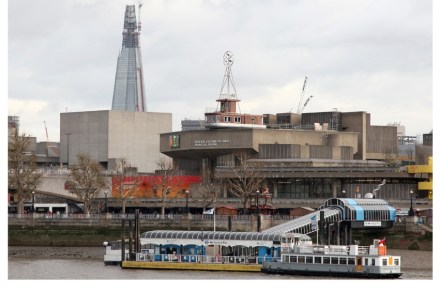
Living Architecture is a new social enterprise that adds a touch of glamour to the traditional British holiday. Instead of a cute cottage, cramped caravan or crumbling castle, Living Architecture provides bespoke, mod-con accommodation designed by the most distinguished architects and artists for as little as £20 per person, per night. Though current locations are limited to the south of England, they have been selected for their remote beauty, and include The Balancing Barn in Suffolk and the intriguing Secular Retreat in Devon, which is designed by Peter Zumthor and scheduled for completion by the end of 2012. A Room For London (above) was designed by David Kohn Architects and artist Fiona Banner.

Collector’s eye

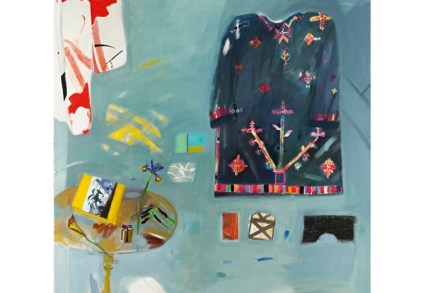
To celebrate Elizabeth Blackadder’s 80th birthday, the Scottish National Gallery is staging a landmark retrospective (until 2 January 2012) spanning the last six decades of the artist’s career. To celebrate Elizabeth Blackadder’s 80th birthday, the Scottish National Gallery is staging a landmark retrospective (until 2 January 2012) spanning the last six decades of the artist’s career. Blackadder is best known for her vibrant still-lives of the Sixties, a time when most of her contemporaries were experimenting with Pop and Abstract Expressionism. Influenced by her passion for collecting and for fastidious attention to detail, she has spent a lifetime popularising and successfully re-inventing the genre.

Maastricht treats

The European Fine Art Fair (TEFAF) takes place in Maastricht, Netherlands, every year. It showcases the finest examples that the most prestigious commercial galleries of the international art world have to offer — from ancient to contemporary art and design. The European Fine Art Fair (TEFAF) takes place in Maastricht, Netherlands, every year. It showcases the finest examples that the most prestigious commercial galleries of the international art world have to offer — from ancient to contemporary art and design. Exhibits are heavily vetted and scrutinised for their provenance before the wealthiest dealers, collectors and heads of museums are allowed in to make their purchases. It is a true celebration of the global art market.

Never the same

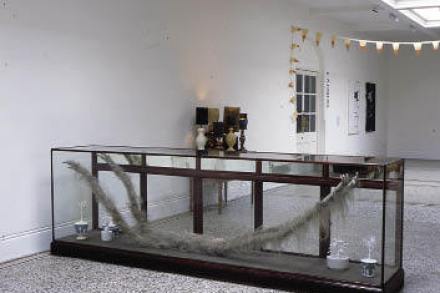
Simon Starling’s art often involves some form of recycling — his controversial ‘Shedboatshed’ won the 2005 Turner Prize – and his ‘new’ exhibition at Camden Arts Centre (until 20 February) is no different. Simon Starling’s art often involves some form of recycling — his controversial ‘Shedboatshed’ won the 2005 Turner Prize – and his ‘new’ exhibition at Camden Arts Centre (until 20 February) is no different.