Melanie Ferbreach

Melanie Ferbreach is a retired solicitor and legal writer.

Tim Shipman, Colin Freeman, Rachel Clarke, Michael Gove & Melanie Ferbreach

40 min listen

On this week’s Spectator Out Loud: Tim Shipman interviews shadow justice secretary Robert Jenrick (plus – Tim explains the significance of Jenrick’s arguments in a special introduction); Colin Freeman wonders why the defenders of Ukraine have been abandoned; Rachel Clarke reviews Liam Shaw and explains the urgency needed to find new antibiotics; Michael Gove reviews Tom McTague and ponders the path that led to the UK voting to leave the EU; and, Melanie Ferbreach provides her notes on made-up language. Produced and presented by Patrick Gibbons.

The discombobulating delight of made-up languages

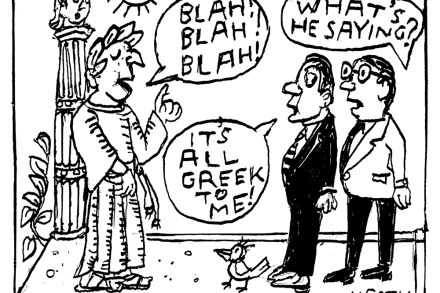
I wasn’t supposed to understand Potato language. It was my parents’ speech device employed when wishing to discuss certain apparently secret subjects in front of my brother and me. While chewing over some esoteric topic, they would suddenly lapse into Potato language, a.k.a ‘P-language’ or just ‘P’. Being a young child, the subject matter didn’t interest me – I was more intent on trying to figure out why on a whim they’d switch to speaking a discordant, discombobulated version of our every-day language. Unbeknown to them, from the age of about seven I gradually became bilingual in P and by ten, I was fluent. As I grew older, I realised the point of converting to P was to discuss topics not intended for our ears.

Why I adopted a retired guide dog

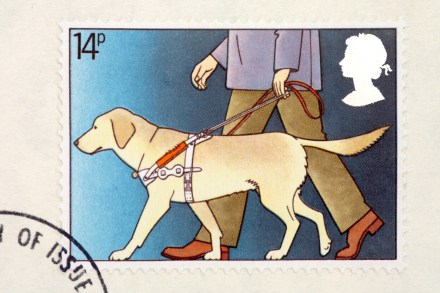
While ambling along a quiet beach with my husband near our home, our attention was caught by a water skier in the distance. As we stood watching him zip at high speed across the bay, we were interrupted by a gentle nuzzling at our legs. My husband and I were being greeted by a youngish black Labrador who then stood stock still, gazing up at us. Although we recognise many dogs in our area, we hadn’t seen this fine-looking companion before. Given his keenness to make our acquaintance, we said hello and patted him, trying to discern his message, before a woman arrived and apologised. No need, we said. The woman explained that the dog had – er – prematurely left Guide Dogs’ puppy school due to his – um – free spirit. We couldn’t help but laugh.

Writing a will isn’t easy

It’s generally considered sensible for adults of sound mind to make a will. Many don’t bother. It’s a nuisance. They’ve scribbled their straightforward wishes in a letter at home. They think they’re too young. They’ve told a confidant their final wishes. Or they believe they have nothing to leave, or make assumptions about who’ll automatically inherit their estate, rendering a will unnecessary. It’s not easy to convince a court to deviate from someone’s written last wishes The topic of making a will is sometimes taboo. But given humans’ mortality, even those with modest means and no family would be wise to write a will, if only to take control of what will become of their physical body or of where particular treasured possessions should go.

How to carry out a citizen’s arrest

One Monday morning about 30 years ago, I drove to work, parked my car in the village car park, and started hauling my bags of files out of the boot. In my new role with a firm of solicitors, the weekend had been a chance to familiarise myself with my pressing caseload. I initially paid little attention to a small group of people in heated animation nearby as I unloaded the car. Then I realised what was in fact going on was an attack; someone was pinned against a van. Seconds later, I heard weak squeals for help. I dropped by bags and bellowed, ‘Stop! Stop that now! I am a solicitor and I’m telling you to stop now!’ I strode to the huddle and continued yelling at them to stop.

How I missed out on parenthood

‘Do you have children?’ This stock question still floors me. When confronted, I don the mask, breathe deeply, get a grip and try to answer honestly. It doesn’t always work out that way. In a supermarket queue, my bored fellow shopper seems happy with my breezy reply: ‘Yes! One’s at university, the other teaches English as a foreign language, online.’ Lying doesn’t come happily or naturally to my husband or me. Where it won’t land us in trouble, inventiveness has become our coping strategy for what seems a casual disregard of the possibility that we might not have children and that our childlessness might not be voluntary. When I must be honest, I brace for the invariable slight pause after my answer, the fleeting look of something I can’t quite fathom – disapproval?