Maurice Gerard

Smoke and mirrors | 3 July 2008

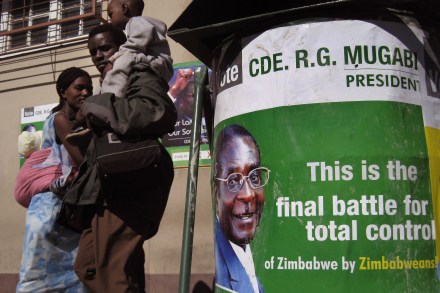
Harare, Zimbabwe It's smoke and mirrors for Zimbabweans. State-run TV has been blaring non-stop Mugabe's statement that he is willing to sit down and negotiate with the opposition MDC - and would even accept a "unity" government, whatever that means. Tsvangirai is holding his ground; the capital's more salubrious bars are a-buzz with speculation over an imminent deal brokered by the South Africans. The reality will be disappointing, I fear. "The violence in the run-up to the poll and Mugabe's rushed inauguration was all about leverage," one Harare political analyst told me, a former government advisor. "In the event of any negotiations, he wants to show the MDC that he's still boss." Retribution against opposition supporters is still continuing in Mashonaland East.
What will happen now?

Harare, Zimbabwe Post-election drama, Harare thrives once more. Market women back to selling vegetables on the street; businessmen in second-hand suits talking loudly into their mobile phones. Queues stretching round the block to use the cashpoint. The earnest business of survival begins for Zimbabweans once more. A Zanu-PF source informed me earlier today that Mugabe allies are negotiating informally with the opposition MDC over a unity government. The sticking point, as always, is Mugabe. "When will the Old Man go?" chorus the urban masses. The South Africans are pressing hard for official negotiations. But is hard to see the MDC agreeing until violence against their supporters stops. "It is about leverage," said the source, a former Zanu PF politician.

Mugabe’s victory: the aftermath

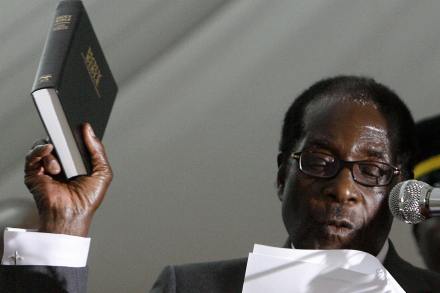
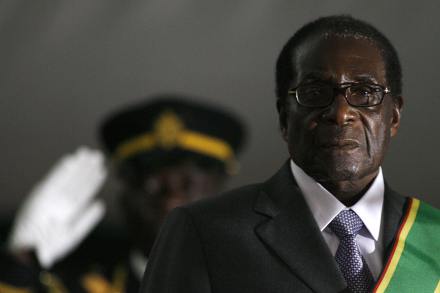
Mugabe's inauguration was a closed affair. Judges in colonial era wigs and robes sat patiently whilst he spoke, whilst advisors and military personnel, bedecked in medals, marched and saluted him. The rest of Harare was indoors. Shops and businesses shut, even the ubiquitous money changers – now offering Z$50 billion to the pound – seemed to have closed ranks. Harare's central business district was empty, save for the occasional 4x4 and Mercedes off to see the Mugabe jamboree. The rumour mill was on turbo-mode too: Reports of Zanu-PF supporters looking to exact retribution on those who didn't vote. Tales of hapless voters who spoilt their ballots being beaten in the townships.

Race relations in Zimbabwe

Sometimes the façade cracks. Despite official rhetoric branding white Zimbabweans as everything from 'traitors' to (that perennial government favourite) 'economic saboteurs', race relations on the ground are quietly healthy. Even, it seems, amongst the shock-troops of Mugabe's land grab: the infamous war veterans.   The epithet is somewhat elastic. Nowadays a good deal of the country's self-described war vets today are rowdy teenagers, often when drunk on the local maize brew chibuku, spoiling for a fight or having been press-ganged by Zanu-PF heavies into invading some of Zimbabwe's last remaining 400 white-owned farms. One long-time Bulawayo resident said: "They get together in gangs and start chant nationalist songs, generally being intimidating.

The streets fall silent, as Zimbabweans head to the polls

Harare, Zimbabwe A battered peace holds on the streets and townships of Harare on poll day. After months of virulent political campaigning the streets have fallen silent; there are few cars on the road and the giant minibus station in the bustling Mbare township is empty. Polling stations - giant, white, marquee-like tents - have been set up in some areas more than others. I counted eleven such stations, with short queues snaking in the midday sun, within a square mile of Mbare alone. Next door in Highfield, Harare's east, I found one. A local journalist said that  Zanu has been concentrating on areas where it can pick up votes.

Inside Zimbabwe

Many thanks to Maurice Gerard, who will be blogging for Coffee House from inside Zimbabwe over the next week.  Here's his first post - Pete Hoskin Driving to Harare down acacia-lined highways from Zimbabwe's border post at Victoria Falls and the casual visitor could almost mistake the country for being normal - albeit with occasional touts peddling black market luxuries like Coke and diesel fuel in rural lay-sides. In the run-up to Friday's poll Zimbabwe has become a hybrid country, oscillating between queasy tranquility and sporadic outbreaks of extreme violence. Some areas, such as Matabeleland, home of the fiercely anti-Mugabe Ndebele people, have almost escaped the political violence altogether.