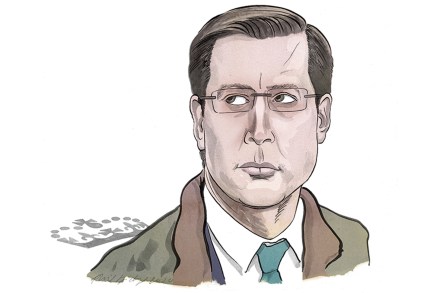
Camilla Tominey

Camilla Tominey

Camilla Tominey is a British journalist, presenter, broadcaster and a Royal correspondent.

Who is the greatest ever conservative?

40 min listen

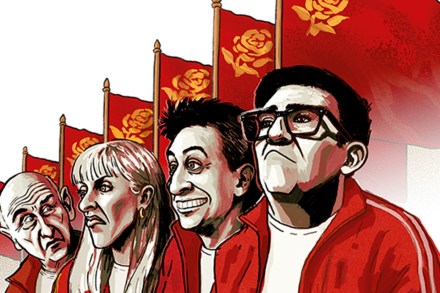
From wartime leadership to economic revolutions, Conservative figures have shaped Britain’s past and present. But who stands out as the greatest of them all? In this conversation, recorded live at Conservative Party Conference: Katie Lam makes the case for William Pitt the Younger, Camilla Tominay nominates Margaret Thatcher, William Atkinson points out the number of young Tories who now idolise Enoch Powell, and Neil O’Brien explains why all conservatives should know about Jerzy Popieluszko. Who wins? You decide.

How Britain sobered up

36 min listen

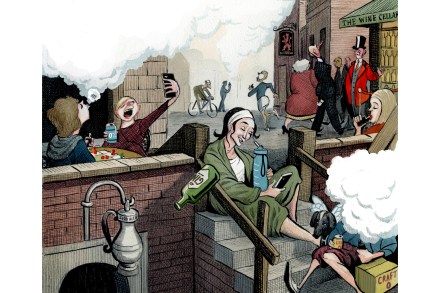
This week:  The Spectator’s cover story looks at how Britain is sobering up, forgoing alcohol in favour of alcohol free alternatives. In his piece, Henry Jeffreys – author of Empire of Booze – attacks the vice of sobriety and argues that the abstinence of young Britons will have a detrimental impact on the drinks industry and British culture. He joins the podcast alongside Camilla Tominey, associate editor of the Telegraph and a teetotaler. (01:27) Also this week: could Mongolia be the next geopolitical flashpoint?

Warring Windsors: the real royal conflict is between Charles and his sons

Three years ago, Sir Christopher Geidt departed as the Queen’s private secretary. For years, he had done much to hold The Firm together, but his influence was resented by Prince Charles. The festering acrimony between Buckingham Palace and Clarence House came to a head in 2017 when Geidt, a Cambridge-educated former Scots Guard, convened a meeting of staff to announce Prince Philip’s retirement without first consulting Charles’s aides. Geidt ended up being forced out after a decade of unwavering service. Many in the family — including the Princess Royal and Prince Edward — now blame straight-talking Lord Geidt’s absence for the bedlam that has since ensued.

Coffee House Shots Live: Coronation special

71 min listen

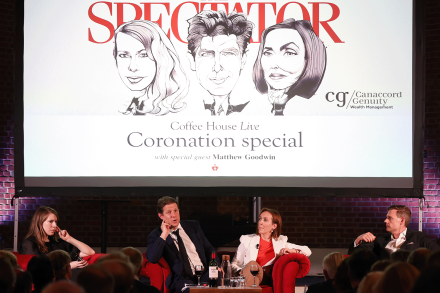
The coronation will commemorate the start of a new era, but what will this mean for the United Kingdom? How will Charles III secure his place in history – and what kind of monarch will he be? From pageantry to the polls: will the coronation distract voters from the Tories’ predicted heavy losses in the local elections? And will Rishi Sunak be able to turn his party’s fortunes around for the general election? Fraser Nelson speaks to Katy Balls and special guests Camilla Tominey and Matthew Goodwin for a special edition of Coffee House Shots Live.

Cold War

41 min listen

In this week’s episode:Can Russia turn off Germany’s gas?Wolfgang Münchau and Katja Hoyer discuss Germany’s looming energy crisis (0.51).Also this week:What are relations like between Boris Johnson and Prince Charles? The Spectator’s diary editor, James Heale joins Camilla Tominey from the Telegraph talk about the growing tensions between the Prime Minister and future King (19.56).And finally: Are sex parties becoming a cliché?Emma Sayle, CEO of Killing Kittens and James Innes-Smith, talk about the rise of sex parties and why they’ve become an open secret. (27.48)Hosted by Lara Prendergast & William MooreProduced by Natasha FerozeSubscribe to The Spectator today and get a £20 Amazon gift voucher: spectator.

The Camilla Tominey Edition

36 min listen

Camilla Tominey is known on both sides of the pond as one of the world's go-to Royal correspondents. She began her career in journalism at the Hemel Hempstead Gazette before moving to cover the Royals for the Daily Express and is now the associate editor at the Telegraph. On the episode, she talks to Katy about how studying law ended up inspiring her to get into journalism, the differences between coving politics and the Royal family and the perils of engaging on social media.'I've been accused on the same day of being a far-right extremist and a socialist.

Most-read 2020: Warring Windsors – the real royal conflict

We're closing 2020 by republishing our ten most-read articles of the year. Here's No. 4: Camilla Tominey on the Prince of Wales Three years ago, Sir Christopher Geidt departed as the Queen’s private secretary. For years, he had done much to hold The Firm together, but his influence was resented by Prince Charles. The festering acrimony between Buckingham Palace and Clarence House came to a head in 2017 when Geidt, a Cambridge-educated former Scots Guard, convened a meeting of staff to announce Prince Philip’s retirement without first consulting Charles’s aides. Geidt ended up being forced out after a decade of unwavering service.

How Simon Case rose to the top of the civil service

The promotion of Simon Case to the head of the civil service – aged 41 – will create an interesting new power dynamic in Boris Johnson’s top team. Dominic Cummings, Downing Street’s resident grenade-thrower, is now working with someone more adept at defusing bombs. Case, a Barbour-wearing career civil servant, was poached from Kensington Palace, where he was Prince William’s right-hand man, by cabinet secretary Sir Mark Sedwill. In his role as Number 10's permanent secretary, Case oversaw anything Covid-related that crossed the Prime Minister’s desk. He is being hailed as the man to rescue the government’s erratic handling of the coronavirus crisis. His experience with the dysfunctional royal household will stand him in good stead.

Why Boris Johnson poached Prince William’s right-hand man

The appointment of Simon Case to the role of No. 10’s new permanent secretary last month is already creating an interesting new power dynamic in Boris Johnson’s top team. Dominic Cummings, Downing Street’s resident grenade-thrower, is now working with someone more adept at defusing bombs. Case, a Barbour-wearing career civil servant, was poached from Kensington Palace, where he was Prince William’s right-hand man, by cabinet secretary Sir Mark Sedwill. In his new role, Case sees anything Covid-related that crosses the Prime Minister’s desk. He is being hailed as the man to rescue the government’s erratic handling of the coronavirus crisis. His experience with the dysfunctional royal household will stand him in good stead.

Britain’s relationship with booze is beyond abusive

I’m not one of these teetotallers who frowns on people who imbibe, like an angsty ex-smoker who petulantly swats away vape fumes. It would be rather hypocritical because for years, I was what you would describe as a ‘problem’ drinker. In the sense that, every time I drank it caused problems, not only for me but anyone in the vicinity. You know those people who end up going home in an ambulance instead of a taxi? That was me. Alcohol didn’t make me unwind; it made me unravel. Having grown up with an alcoholic mother I knew I wasn’t addicted to the stuff — it was more a case of bring allergic to it. So after a solid 15 years of drunken escapades, most of which I don’t remember, I knocked it on the head. That was about a decade ago.