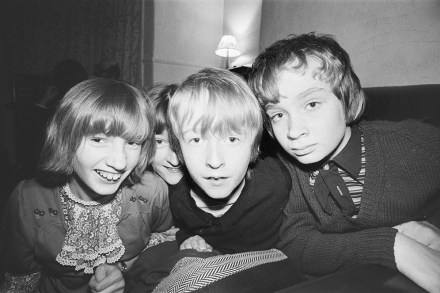
The little imps who pretended to be poltergeists
It comes as a surprise for anyone assuming that ghosthunters are easily fooled scaredy cats to learn that there was once a Society for Psychical Research based at Cambridge University. Undergraduate members would gather on Sunday evenings to hear the latest reports of investigations into supernatural phenomena. It sounds quaint; but to judge from Ben Machell’s account of the group’s charismatic leader Tony Cornell, there must have been many enthralling moments. Machell uses the figure of Cornell to prise open the SPR, founded in 1882 in London. Members included Arthur Balfour, William Gladstone and Arthur Conan Doyle. Cornell became a member after encountering a hermit in India when on active service during the second world war.