Pessimism

Will we ever stop predicting the end of civilisation?

In the sphere of British environmentalism, Paul Kingsnorth is admired as a maverick in thought and deed. Starting out as a journalist with the Ecologist magazine, he co-founded the Dark Mountain Project, an online portal devoted to stories about the more-than-human world in a time of ecological collapse. On resigning from both, he retreated as a self-proclaimed ‘recovering environmentalist’ to an Irish smallholding, where he has embraced the Romanian Orthodox church. Against the Machine, his tenth book, is billed as a summary of his intensifying disillusionment with events in the past 30 years. It is a serious work leavened with sardonic humour and is by turns rich in unsettling ideas

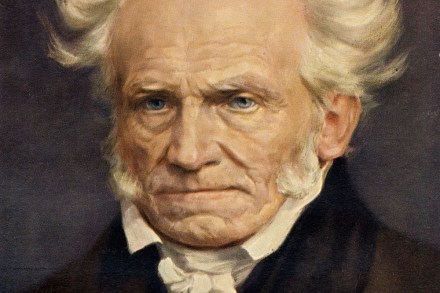
Philosophy’s greatest pessimist wasn’t so miserable after all

According to the German philosopher Arthur Schopenhauer (1788-1860), people prefer reading books about great thinkers rather than by the thinkers themselves because ‘like is attracted to like and the shallow, tasteless gossip of a contemporary pinhead is more agreeable and convenient to them than the thoughts of great minds’. Thankfully, this contemptuous attitude towards biographers has not deterred David Bather Woods, a professor at Warwick University, from taking a fresh look at one of the most influential yet misunderstood figures in western philosophy. Woods’s prose is clear and compelling, though the book’s thematic structure is confusing. He argues that the defining event in Schopenhauer’s life was the suspected suicide of