The art of printmaking in all its glorious complexity
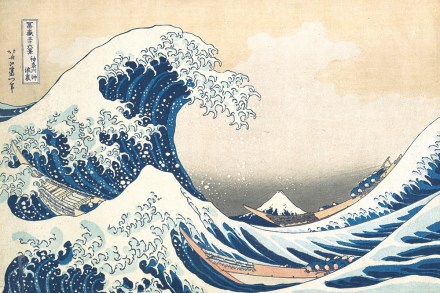
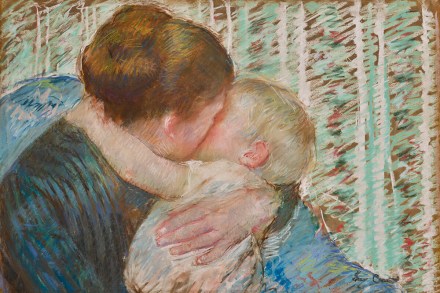
Do you know your aquatint from your drypoint? Your intaglio from your lithograph? The appearance of any one finished print can vary so much from another – the feathery delicacy of etching replaced by the bold forms of linocut or the carved sinews of a woodblock – that it can be difficult to believe they all derive from the same initial process. What image appears when an object – be it carved, chemically altered, or engraved – is covered in ink and pressed into a piece of paper? As Holly Black explains, it is difficult to know when this technique first originated. Was it with the work of monks carving woodblocks in the mid-9th century to print the lines of the Diamond Sutra (now held in the British Library)? Or does it have its origins centuries earlier?