Learning

Plato would have been appalled by Newcastle University

Newcastle University is advertising for a Director of Academic Advising, which will offer guidance that is ‘inclusive, compassionate, and genuinely personalised to [student] goals’. Plato would have been appalled. Should not students be meeting the university’s goals? In 361 BC Dionysius II, tyrant of Sicily, invited Plato to come to Sicily to educate him on the matter of ruling a country. Plato agreed, but had grave doubts whether Dionysius would respond well to his method, which was to ‘demonstrate the nature of the subject as a whole, and all the stages that must be gone through, and how much effort is needed’ in order to acquire ‘the daily routine which will best foster his powers of learning and remembering and conducting sober debate within his own mind’.
Forties’ love: tennis serves me a perfect midlife crisis

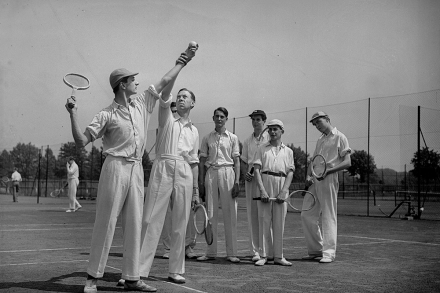
There comes a time when every man must choose how to tackle an impending midlife crisis. A Maserati? A marathon? A mistress? Lacking the wealth, stamina or sheer Italian-ness for any of the above, I’ve plumped for that most gentile of sports to feel alive again: tennis. The problem with a new hobby, of course, is that you immediately feel more infantile than raffishly young. Picking up fresh skills means relearning how to learn, decades after university, when you actually had the appetite for self-improvement. Sure, tennis is, as studies have found, one of the most effective activities for staying healthy. But it’s also infuriatingly finicky. Technique-wise, I can fire off a decent groundstroke (forehand and backhand), thanks to lessons as a mopey teen.

tennis

The pedant’s progress through history

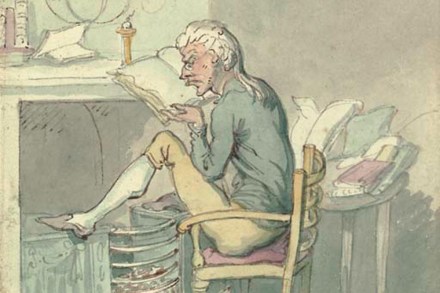
No one likes a pedant. But over the past few millennia, people have shunned pedants, bores and know-it-alls for a wide range of different, often conflicting, reasons. They have been accused of obscuring the path to true philosophical knowledge and of putting learning on too high a pedestal; they’ve been regarded as unfit to be democratic leaders; too unskilled in the aristocratic virtues; too keen to rise above their natural class; and as stubborn impediments to a true comprehension of the divine. At times they’ve been deemed too unmanly and too feeble; at others, far too boorish, charmless, unable to think for themselves and probably horrible at parties. Arnoud S.Q.

Kids will thank us for shortening the school summer holidays

Oh for a normal summer – so close now, but Covid remains capricious, a wave across Europe threatening to wash it all away. But just think: for some schoolchildren, and their parents, the normality of the long six-week summer break may not be such an appealing prospect. Sure, the middle-classes are able to pack it with enriching activities – exciting new skills, friendships and memories. But, for kids in families with stretched budgets, it can be isolating, impoverishing, boring. And, as quite a substantial body of evidence now shows, very bad for their emotional and cognitive development – some studies even conclude that the majority of the attainment gap between rich and poor children can be explained by the cumulative impact of successive summer breaks.