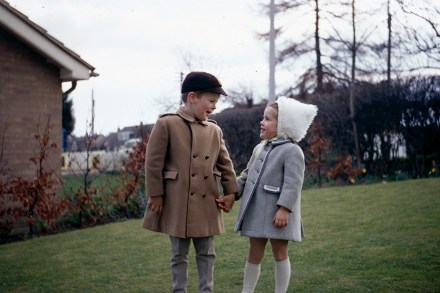
Mark Haddon attempts to exorcise the memory of a loveless childhood
Growing up in the 1960s at 288a Main Road on the outskirts of Northampton, Mark Haddon spent hours alone in the bathroom, the only lockable room in the house, trying to figure out the universe. In this dark, sui-generis memoir he writes: Even now, insoluble conundrums such as ‘Why was I born as me and not someone else?’ and ‘If the universe is expanding, then what is it expanding into?’ come packaged with images of a shampoo bottle in the shape of a fat sailor with a twist-off head. The author of The Curious Incident of the Dog in the Night-time has a scientifically inclined mind in which small physical details, such as that sailor’s twist-off head, get permanently lodged.