Dance

Today’s ballerinas are too perfect

‘Ballet is woman,’ Balanchine once gnomically pronounced. A remark not to be taken too literally, but essentially true. Like every afflicted balletomane, I can map out my lifelong passion for the art in terms of my adoration from afar of a succession of ballerinas – any awe I feel for their male counterparts is something
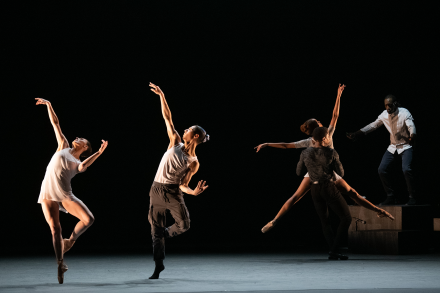
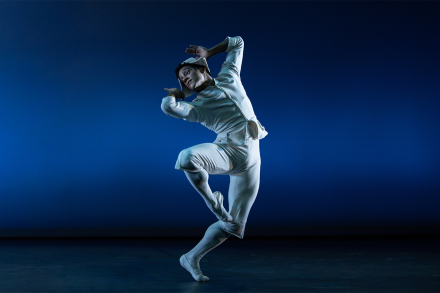
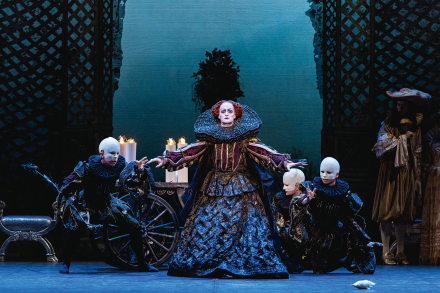
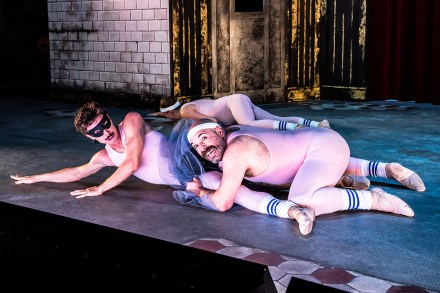
A highlight in an otherwise dull season: Pierrot Lunaire reviewed

Even if Schoenberg’s song cycle Pierrot Lunaire is never going to feature on anyone’s Desert Island Discs, it stands as a work of rich and complex resonance shot through with all the neurotically introverted obsessions behind expressionism. Through Albert Giraud’s 21 opaque lyrics, scored atonally for a soprano who declaims rather than sings them, accompanied

The joy of Paul Taylor

When the American choreographer Paul Taylor died at the age of 88 in 2018, he should have been consecrated a patron saint of modern dance. He had respectfully lifted the pall of earnestness and mythic archetypes that his mentor Martha Graham had stiflingly cast over it, and let the sunshine in. Graham may have been

What has happened to the Paris Opéra Ballet?

Freighted by a 350-year history, the Paris Opéra Ballet is a behemoth of an institution – lavishly subsidised by the state, hampered by barnacled traditions (including compulsory retirement on a full pension at the age of 42) and about twice the size of our own dear Royal Ballet. They do things differently there. Programming favours

The best thing Cathy Marston has ever done

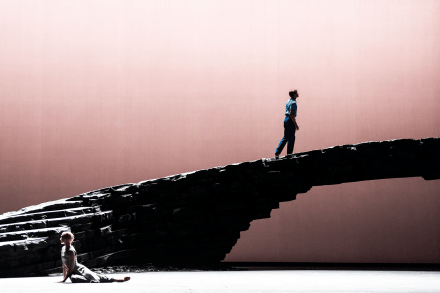
The Royal Ballet has scheduled what – on paper at least – looks like one of the most dismally dull and cautious seasons I can recall. The company is hobbled by a £21.7 million government loan (that had tided the place over during Covid), which the Royal Opera House is being forced to ‘service’. One

What a joy La Fille mal gardée is

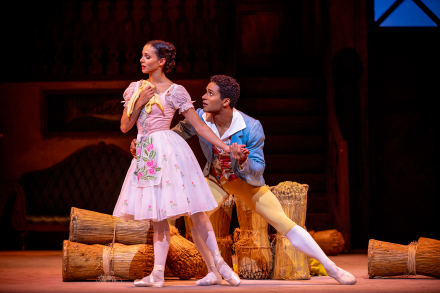
The winter nights may be drawing in and everyone is down with stinking colds as the civilised world inexorably disintegrates, but in La Fille mal gardée, it’s sunlit springtime and young love is busting out all over. Frederick Ashton’s bucolic masterpiece, revived by the Royal Ballet, manages to be both child-like in its innocence and

Let’s face it, Sleeping Beauty is a bit of a bore

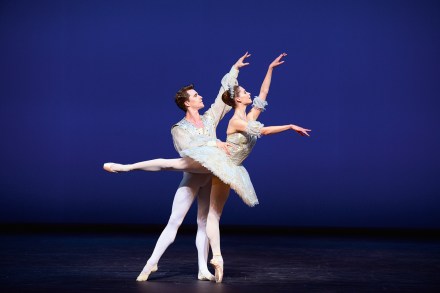
Let’s face it, The Sleeping Beauty runs the high risk of being a bit of a bore. A wonderfully inventive score by Tchaikovsky fires it up of course, but precious little drama emerges after nasty Carabosse gatecrashes the royal christening, and there’s too much imperial parading and courtly kowtowing throughout. Connoisseurs may relish what survives

One of the best productions of Giselle I have ever seen

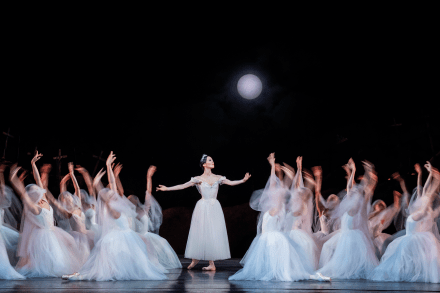
Giselle is my favourite among the 19th-century classics. Blessed with a charming score by the melodically fertile Adolphe Adam and a serviceable but resonant plot, the drama – loosely based on a story by Heine – holds water without being swollen by superfluous divertissements. Its principal characters – the village maiden Giselle and her nobleman-in-disguise

The artistic benefits of not being publicly subsidised

Paralysed rather than empowered by the heavy hand of Big Brother Arts Council, the major subsidised dance companies are running scared and gripped by dismally risk-averse and short-termist attitudes. Free from the deadening metrics of diversity quotas and targeted outcomes, smaller more independent enterprises – London City Ballet and New English Ballet Theatre among them

Christopher Wheeldon’s real gifts lie in abstract dance

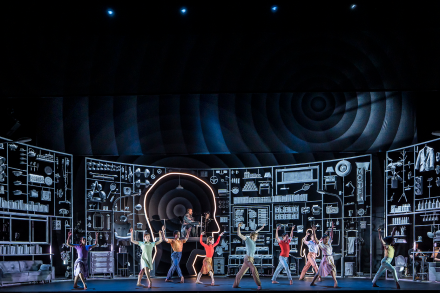
Christopher Wheeldon must be one of the most steadily productive and widely popular figures in today’s dance world, but I’m yet to be persuaded that he has much gift for narrative. His adaptation of the novel Like Water for Chocolate was a hopeless muddle; his response to Alice’s Adventures in Wonderland is mere vaudeville; and

What a joy to see some Merce Cunningham again

How salutary to encounter the cool cerebral elegance of Merce Cunningham’s choreography again. A figure at the heart of the abstract tendency in post-war American culture, the lover and collaborator of John Cage, Cunningham emptied barefoot dance of ideology, symbolism, plot, personality, pretension: instead it became purely an exploration of bodies in movement, responsive to