
Italians do it better,” reads Madonna’s cropped black T-shirt in the 1986 music video for “Papa Don’t Preach.” The slogan not only nodded to her dual heritage – her grandparents emigrated to the States from a small village in central Italy – but also summed up America’s enduring fascination with “the beautiful country,” as Dante dubbed it in his Divina Commedia. Amid the economic boom that followed World War Two, Italy successfully seduced the American market with its finest fashion, design, and gastronomy. But beyond the goods themselves, customers sought to buy into a sun-drenched lifestyle rooted in good taste and artisanal savoir faire.
Staged at the Palazzo Pitti in Florence in the early 1950s, the first Italian fashion shows quickly won over high-end US department stores such as Bergdorf Goodman and Saks Fifth Avenue. An appealing alternative to the more structured formality of French couture and the practicality of American sportswear, Italian fashion combined exquisite textiles and fine craftsmanship with relatively accessible prices. It also spoke of a carefree sophistication embodied by screen icons such as Marcello Mastroianni, Audrey Hepburn, and Elizabeth Taylor, as depicted stylishly cutting about the streets of Rome. Nicknamed “Hollywood on the Tiber,” the city became a major draw for foreign film productions, helping to shape the spirit of la dolce vita that continues to captivate the American imagination.
Today, that same formula has become key to the success of Italian fashion brands, which make clothes while promoting a certain art of living across the globe. “For me, Made in Italy is about how things are crafted, not just where they come from,” says Luca Faloni, founder and creative director of the eponymous luxury menswear label, launched in 2014. Rejecting the conventional rhythm of fashion, Faloni has built a seasonless collection of staples, crafted in Northern Italy’s storied mills and artisanal workshops. “Italian craftsmanship is about people,” he adds. “The artisans we work with understand the small details that make a fabric perform better and a garment last longer.”
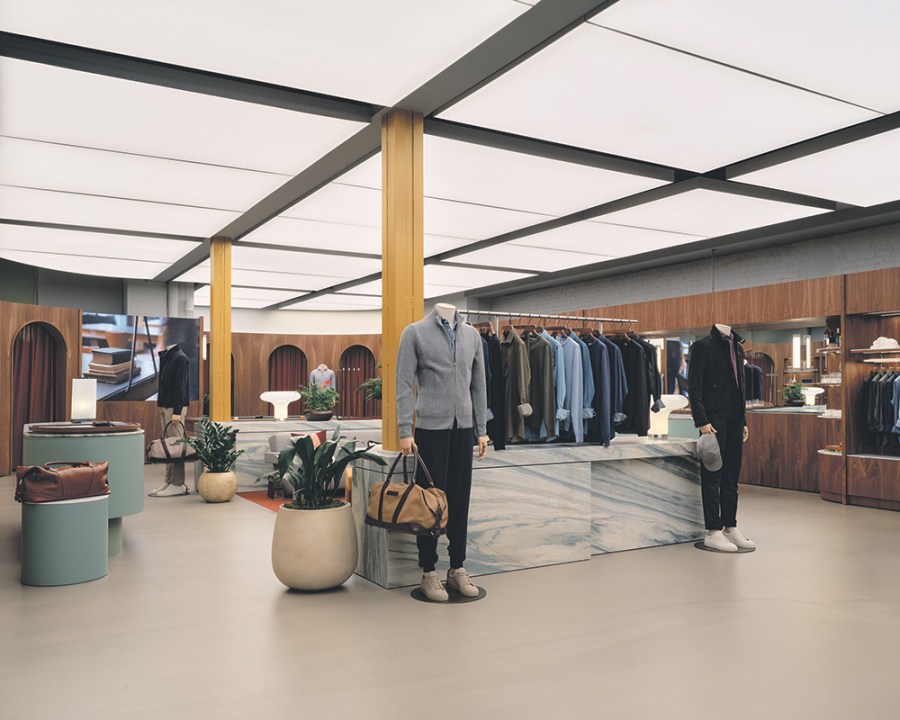
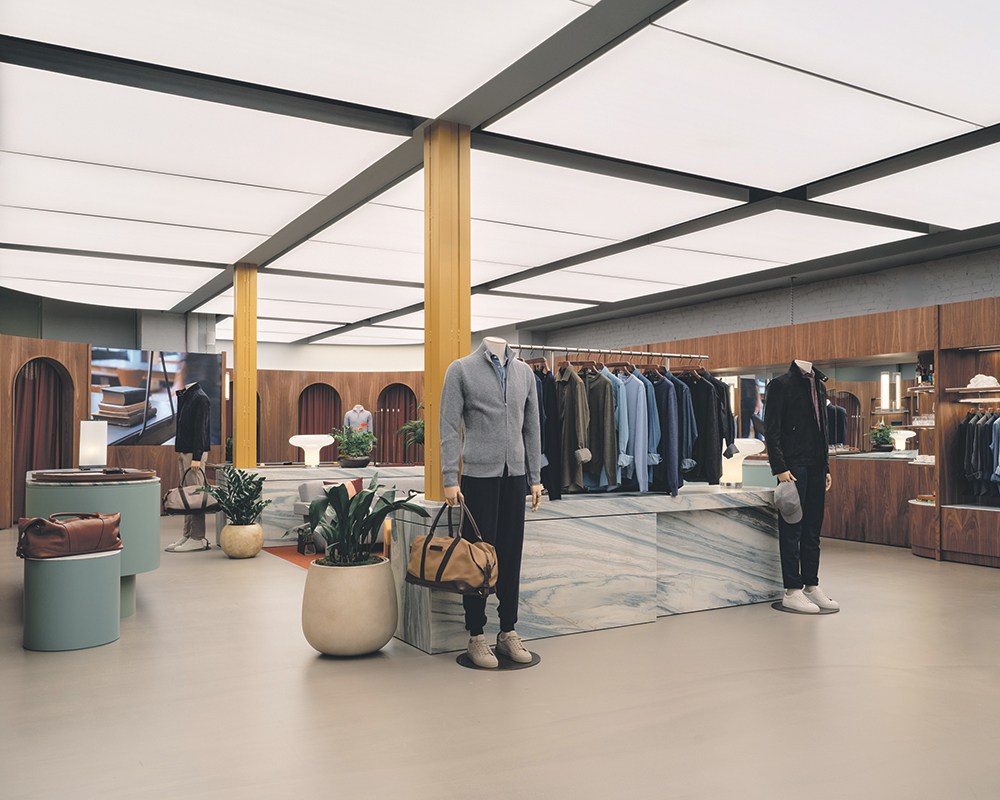
Having started out online-only with a direct-to-consumer model – riding the wave of brands such as Everlane and Warby Parker – the label has since expanded into physical retail, with 12 stores worldwide, four of which are in North America. “We’re particularly strong in the New York area” – following SoHo, the label opened its second Manhattan boutique in the Meatpacking District last year – “the Bay Area, Miami, and Chicago, and we are opening in Dallas and Boston next year. We want to be present in all the major metropolitan areas in the US to start with, and eventually expand further: Houston and, later on, Los Angeles,” the founder says. “American customers tend to gravitate towards the more premium pieces in our collection, they are often willing to invest more when they see value in the material.”
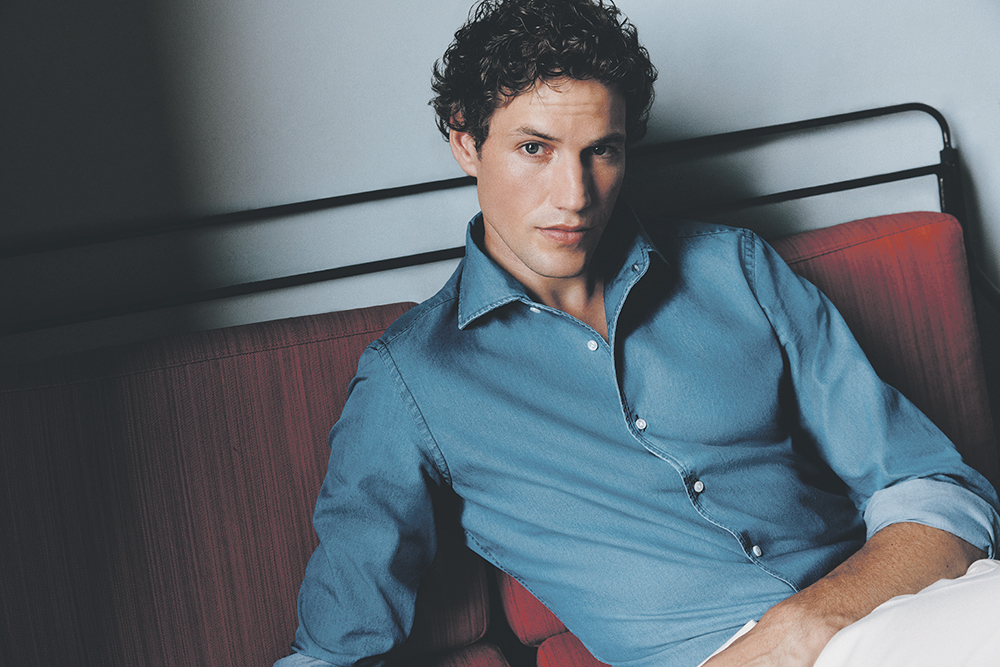
Balancing casualwear with sartorial details, Luca Faloni speaks to a generation of men who want to look good without being too directional. From Prince William and Leonardo DiCaprio to Denzel Washington and OpenAI CEO Sam Altman, a number of high-profile names have been spotted wearing the brand’s Portofino linen shirt – instantly recognizable for the one-piece collar and mother-of-pearl buttons – and its ultra-soft silk-cashmere knits, effortlessly styled under a blazer. “Men are looking for something that sits between casual and formal – easy to wear, but still polished,” Faloni concludes. “That combination of comfort, elegance, and discretion is what the American customer is seeking.”





Comments