Danny boyle

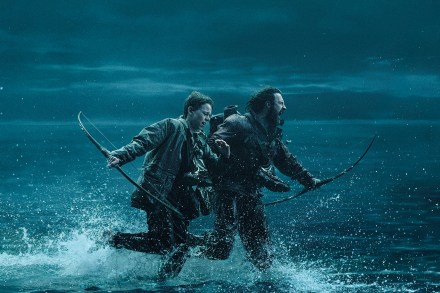
Take a trip to the bone temple

28 Years Later, Danny Boyle’s ace return to the 28 Days later series, was one of last year’s most pleasant cinematic surprises. Combining serious thrills with creeping suspense and a light dusting of social commentary, it also ended with one hell of a cliffhanger, as its protagonist, Alfie Williams’s young Spike, found himself in the hands of a gang of psychotic Jimmy Savile-styled desperadoes, led by Jack O’Connell’s sinister Lord Jimmy Crystal. Audiences were keen to see how Candyman and Hedda director Nia DaCosta could pick up the pieces in the next installment, The Bone Temple – once again scripted by Alex Garland – and how the narrative threads sewn into the first picture might continue.

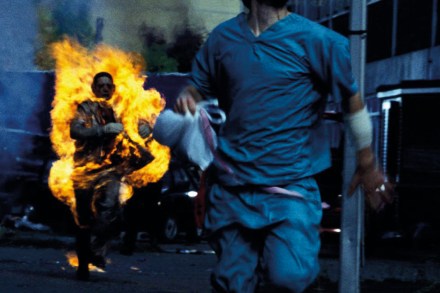
The politics of horror

From our UK edition

Everyone forgets the actual opening scene of 28 Days Later, even though it’s deeply relatable, in that it features a helpless chimp strapped to a table and forced to watch doomreels of ultraviolence until it loses its little monkey mind and eats David Schneider. But it’s eclipsed by the famous sequence that follows where Cillian Murphy wakes in a hospital bed to find that he has slept through a deadly pandemic and the ensuing collapse of civilisation. As Murphy drags his not-yet-world-famous cheekbones through an eerily abandoned metropolis, we see Piccadilly plastered with the names and faces of the missing and the dead. Audiences in 2002 were reminded of the recent World Trade Centre attacks, which happened in the middle of filming.

Magnificently bloodthirsty: 28 Years Later reviewed

From our UK edition

First it was 28 Days Later (directed by Danny Boyle, 2002), then 28 Weeks Later  (Juan Carlos Fresnadillo, 2007) and now Boyle is back at the helm with 28 Years Later, which is, as I understand it, the first in a new trilogy. This post-apocalyptic horror franchise could go on for ever. As the last film was generally (and rightly) regarded as a desultory cash grab, there is much riding on this one. The verdict? It’s entertaining but not outstanding. The biggest surprise is its tonal swerve into sentimentality. Jodie Comer and Ralph Fiennes, however, bring character and heft and, just to put your minds at rest, yes, it’s as magnificently bloodthirsty as ever.

With Flamin’ Hot, Hollywood again makes a hero of the businessman

It always used to be that, in Hollywood movies, big business was seen as a force for ill rather than good. Leaving aside that the films themselves were financed by giant studios hellbent on making a profit, such classics as Frank Capra’s It’s a Wonderful Life and Charlie Chaplin’s Modern Times firmly took the side of the individual against the system and presented the corporate world as a faceless and uncaring one — if, that is, it wasn’t simply a criminal one altogether, as best expressed by Lionel Barrymore’s sneering robber baron Potter in Capra’s film. Today, things have changed immeasurably.

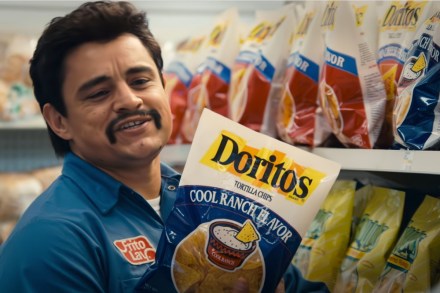
flamin’ hot

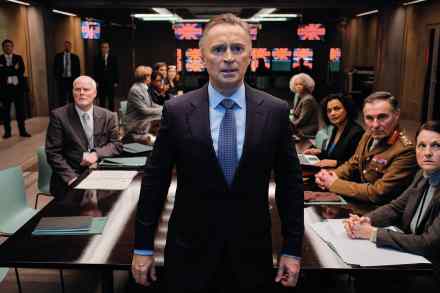
‘You should see some of the other scripts that come through’: Robert Carlyle interviewed

From our UK edition

‘I always feel slightly sick when I hear actors talking politics,’ says Robert Carlyle — that polished Glaswegian burr sounding no less arresting over a slightly patchy Zoom connection. ‘I mean we’re all entitled to an opinion,’ he continues, sounding for a second as though he might be about to opt for a more diplomatic track. ‘I just find that too many actors find it difficult to get theirs across without sounding like a twat.’ It’s a fair point, you might think. But for Carlyle, it’s also been a good professional move. Reflecting on his career, he credits this aversion to mouthing off with inspiring his long-term commitment to keeping his head down.