One love

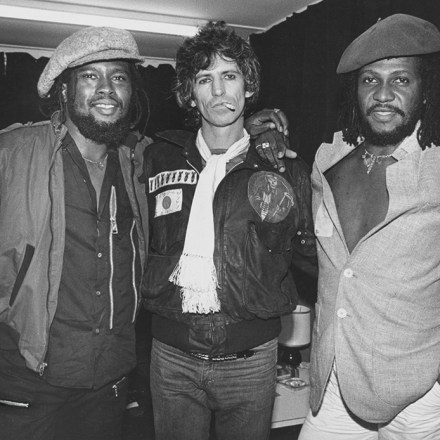
1972 was a watershed year for the Rolling Stones. On the face of it they should have been riding high: they had released Exile on Main Street to great critical acclaim and healthy sales – nearly a million copies in the first week alone – and undertook a lucrative US tour that became as famous for its off-stage excesses as for the music. The Tucson Citizen described one of the shows thus: “Outrageous. Picaresque. Jaunty. Flagitious. Taunting, teasing, tempting… an hour and a half of bad influence on your daughter and exquisite bacchanal rock from Mick Jagger and his band.
High art

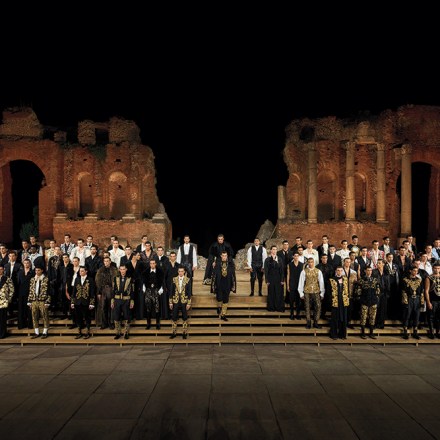
A pair crosses in front of the backdrop of the famous Teatro Antico, the Greek amphitheater in Sicily’s Taormina, to take their seats. This is David Glickman, the American CEO of private investment firm Glickman Capital and his daughter Riley, an archaeologist. Both are wearing decidedly Italian looks – he in a black blazer over a burgundy sports shirt and she in a red silk shirt over a colorful printed skirt featuring motifs inspired by Sicilian folk art. [Alex Dobé] Glickman, a New Yorker who counts Italian cashmere house Malo and Leeds United among his investments, says, “I buy a lot of their furniture, so I guess that’s why I’m on their radar.

A strong character

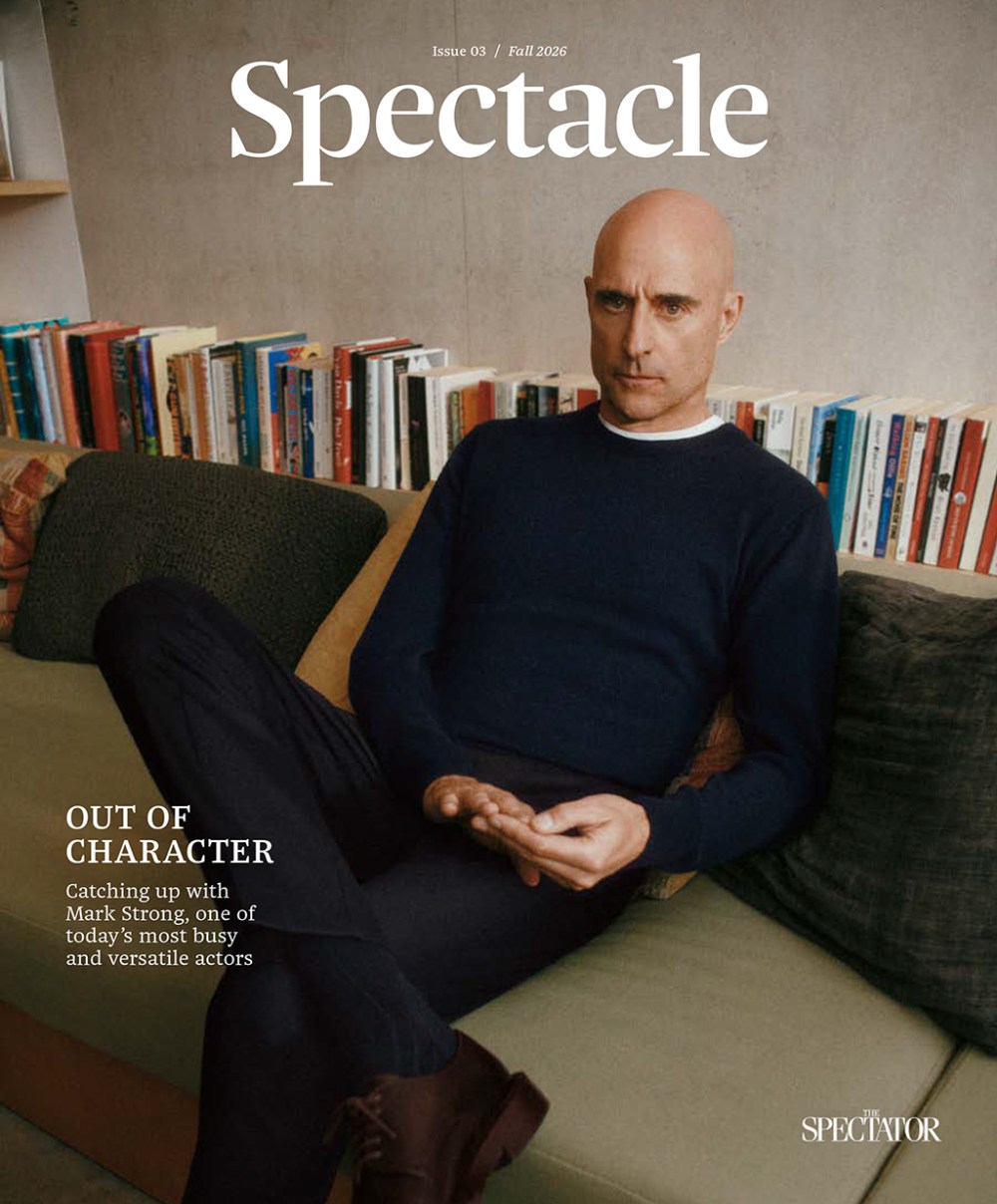
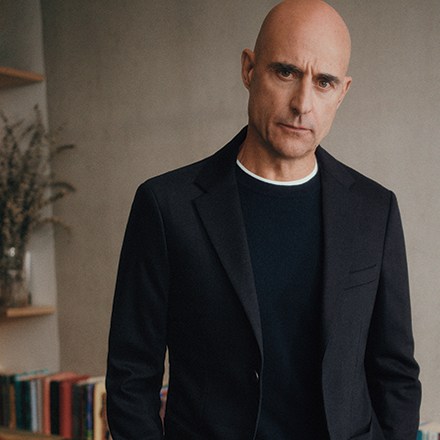
As a young actor, Mark Strong says he learned some simple lessons. “Don’t believe the hype. Firstly, remember why you became an actor. For me it was about mastering the work, not becoming famous.” That’s the least interesting bit, he says – something he discovered quickly. Strong is one of Britain’s most respected actors, working pretty much nonstop on stage and film for nearly 40 years. With little appetite for celebrity, despite working alongside the breadth of Hollywood royalty, his credentials may be A-list but, refreshingly, he operates on a strictly no-list policy. Instead, he’s quite possibly one of the most down-to-earth people you could meet. And I really don’t think he was acting that part when I met him last month.

Superiority complex

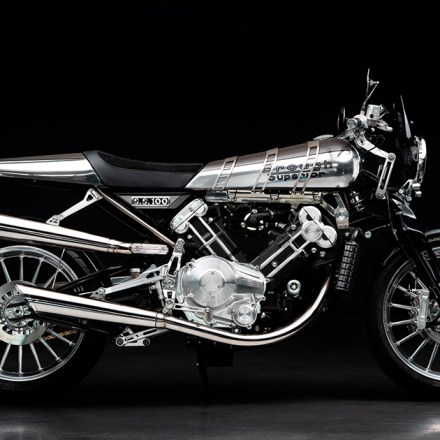
American biker culture is dominated by the idea of extensive stretches of blacktop, straight and open, which leads to motorcycle design that produces machines suited to long, steady rides. The British tradition, which imagines its bikes navigating twisting country lanes and cities where the only grid is the electrical one, means that the products that roll off the line in Blighty are, to borrow an equestrian phrase, more “skittish”. The difference between, say, a Harley Davidson and a Triumph owes much to this contrast of road geography. Riding position, cornering, acceleration, breaking, comfort and the rest are all influenced by the idea that one is made for cruising the Pacific Coast Highway and the other the A303 and its web of B roads.

After a fashion

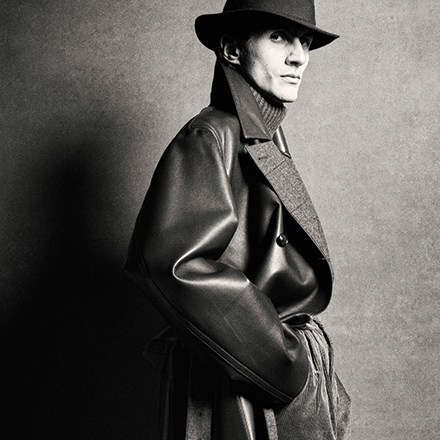
When the 1960s really began to swing, one of the most significant cultural shifts was the assault on the class barriers that had long straightjacketed UK society. The new “faces” that appeared on TV, in film, in magazines, and in the charts were mostly working-class lads – actors Michael Caine and Terence Stamp, musicians John Lennon and Mick Jagger, and in what would become regarded as the quintessentially ’60s profession (partly thanks to Antonioni’s 1966 movie Blow Up) photographers David Bailey and Terry O’Neill. One member of this cohort, however, was not of the gritty, “Straight Outta Stepney” variety, but born in upscale Belgravia.

Monolo Blahník: Walk this way

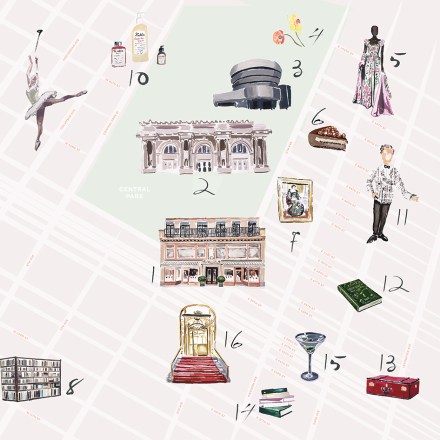
New York has always evoked a great sense of excitement for me. What I love most about the city is the energy of its eclectic people. On one of my very first trips, I met the legendary Diana Vreeland, who was then editor-in-chief of Vogue. I was armed with my portfolio of theatrical sketches and in a complete state of nerves. She took one look, zeroed in on a sandal decorated with ivy and cherries, and said: “Focus on the extremities, young man! Do shoes!” Her advice changed my life forever and set me on a path that I am still walking today.

Mixed heritage

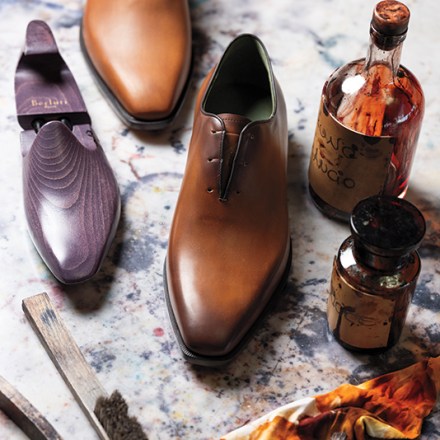
Andy Warhol, John F. Kennedy, Pablo Picasso, and Frank Sinatra all had something in common – and it’s not just celebrity. They all, at one time, walked in a pair of Berluti shoes. And if shoes communicate something personal about their wearer (as Olga Berluti, third generation of the shoemaking dynasty, once asserted), what might we have learned by looking at these men’s footwear? For example, the bespoke, square-toed loafer commissioned by and designed for Warhol in the 1960s reflects the American artist’s famously subversive attitude. That loafer design, by the way, has since entered Berluti’s permanent collection, appropriately called the Andy, and become a house classic.

Empire of taste

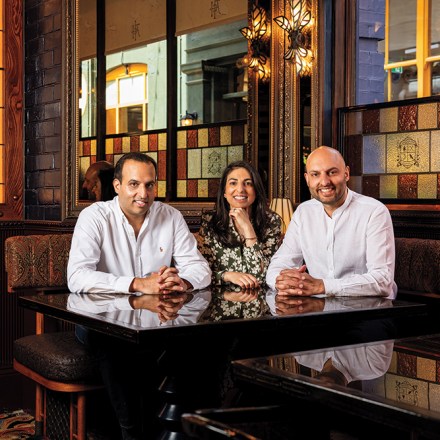
If TikTok is your gospel, you’ll be aware that New York’s new Ambassadors Clubhouse has a waitlist ranging from 10,000 to 50,000 people, depending on the night. Spanning two floors and 8,000 square feet beneath film company A24’s NoMad headquarters, this thunderous Punjabi restaurant has captured a moment. A cultural mélange drawing on both sides of the Indo-Pakistani divide, it’s the first big swing from British brand JKS in New York City, and the second American venture after Gymkhana landed in Las Vegas last December – more on that later. These two restaurants and the many international offshoots are all owned and operated by the British-born Sethi siblings, Jyotin, Karam, and Sunaina.

Push the boat out

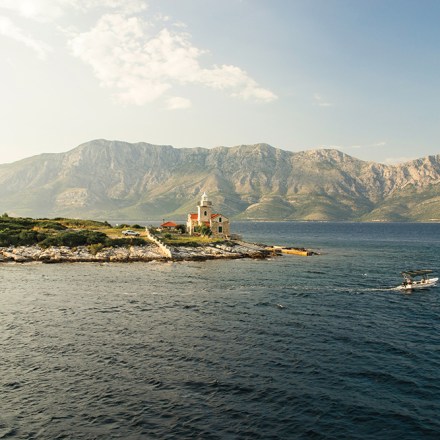
Deterrents are rarely so precise. Gazing through the sights of a communist clifftop canon, its rusting barrel pointing due west towards former capitalist foes, my eyes perfectly align with the dying sun as it bleeds into the Adriatic. “This feels like the end of the world,” sighs my ponytailed guide, Pino Vojković. “We waited but nobody came.” They certainly do now. Vis, home to the abandoned Cold War base on the outer edge of the Southern Dalmatian Archipelago, enjoys A-list status among foodies, conservationists, and movie location scouts. One of the most secluded of Croatia’s 1,200-plus islands, it blends pristine, crystal-clear waters and hidden bays with raw, authentic local culture.

Your carriage awaits

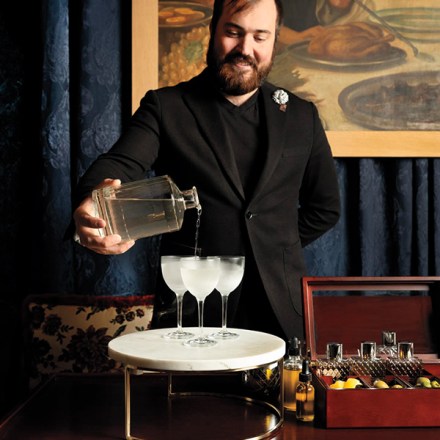
What’s so amazing about bar carts? The novelty and inherent theatricality of it all, sure. The opportunity to personalize a drink at your table, instead of sending instructions back to the bar – yes, that too. But perhaps the most astonishing aspect? It prompts diners to put. the phone. down. From my perch across the room, I’m spying on a table at Bazaar Meat by José Andrés where, in its New York and Las Vegas outposts, tableside martini service is part of the steakhouse’s opulent appeal. A group of four has ordered a round of martinis from the cart; for the first drink made, everyone instinctively whips out their phone to capture the initial dramatic swoop of dry-ice smoke, faithfully documenting every dash, splash, and pour.

A social movement

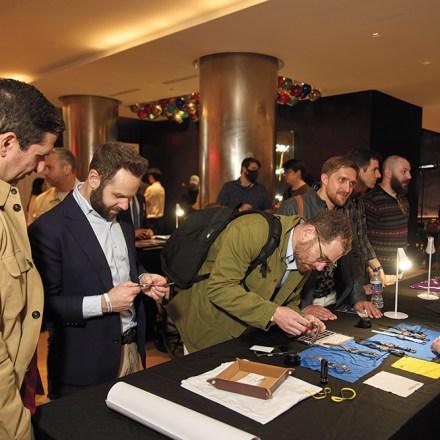
There are now so many watch events in New York that owning a timepiece has become almost incidental. On Monday there might be 100 or so people at Bucherer TimeMachine. Then Tuesday could bring something smaller at Material Good or The Armoury, followed by a brand dinner, a Phillips auction preview, or a watchmaker arriving from Switzerland armed with six watches and no intention of returning with any of them. The faces become familiar but each time, the crowd grows. It would be easy to dismiss this as New York mistaking itself for the entire United States. Yet it is better understood as a test bed for something happening across the country. Windup Watch Fair now travels to Dallas, San Francisco, and Chicago before returning to Manhattan.

Keeping it real

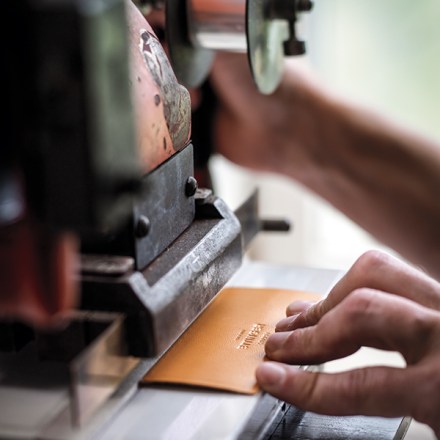
With eight years until its centenary, Ettinger’s story has seriously gathered pace over the last few decades. A house founded in 1934 as a supplier of leather goods to Harrods, Fortnum & Mason, and Asprey, it was granted a license to produce official leather merchandise for the Wimbledon Championships in 1992; was granted a Royal Warrant by the then-Prince of Wales – now His Majesty Charles III – in 1996; acquired James Homer Ltd., one of England’s oldest leather factories, in the Midlands town of Walsall (the saddlery and leather-goods capital of Victorian Britain) in 1999. Then came the international expansion milestones: the opening of its Tokyo (2013) and Seoul (2021) boutiques, and a residency in Turnbull & Asser’s New York Townhouse in 2019.

Top of the charts

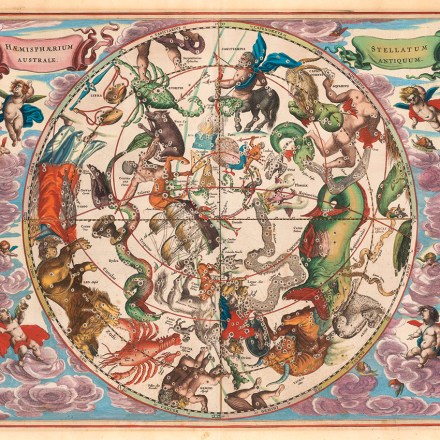
Just as quartz watches (and later, smart watches) signally failed to kill off traditional watchmaking, so the advent of sat nav and Google Maps has seen a resurgence of interest in real maps. As with watches, the obsolescence of their obvious use has revealed what lies beneath: layers that tell stories of craft and history, of technology and ambition, of people. From the dragons of medieval mappa mundi to the Sykes-Picot line and the 34th parallel, maps can fire imaginations and stoke resentments, a phenomenon Helen Sunderland-Cohen understands better than most. She’s custodian of the Sunderland Collection, founded by her father, Dr. Neil V.

Strategic dressing

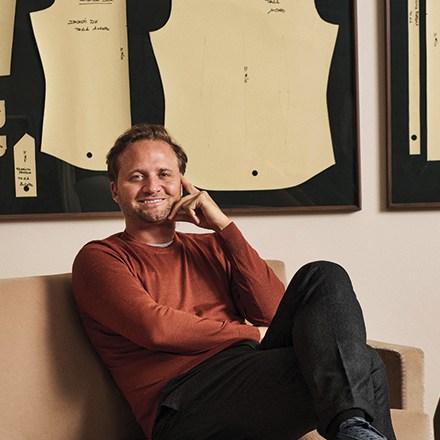
Luca Faloni is a former management consultant. There, we said it. But in menswear, that may – as a management consultant might say – represent a strategic advantage over the moody mercurial creative genius of popular imagination. His eponymous brand is also, lately, a growth strategy. Last year it opened a second Manhattan address, a 3,500-square-foot boutique in the Meatpacking District with Canaletto walnut fittings and Carrara marble – and, last fall, its first Toronto store, on Bloor Street in Yorkville, its third North American market after New York and Miami. For a label founded online to bypass the traditional wholesale markup, opening its own stores has become Luca Faloni’s next stage of growth. ‘You need to be focused on giving men what they want.

Ben Okri discusses the power of the short novel

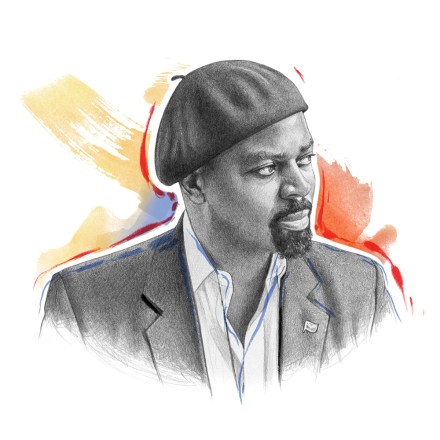
Ben Okri is an award-winning poet, novelist, short-story writer, essayist, and playwright, knighted for services to literature in 2023. Born in Nigeria, he went to school in London and returned to Nigeria on the eve of the civil war. After reading most of the books in his father’s library, Okri has since written a dozen novels including 1991’s Booker Prize-winning The Famished Road. Recent novels include Madame Sosostris & the Festival for the Brokenhearted, a modern fable that pays homage to T.S. Eliot’s The Waste Land, and Waking the Warriors. Here, he discusses four short novels, representative of different cultures, that he thinks people should read. Short novels are tricky to write and require a totally different discipline to a long novel.

An Italian design classic and pop-cultural icon since 1946, Vespa remains an archetype of easy freedom and continental cool

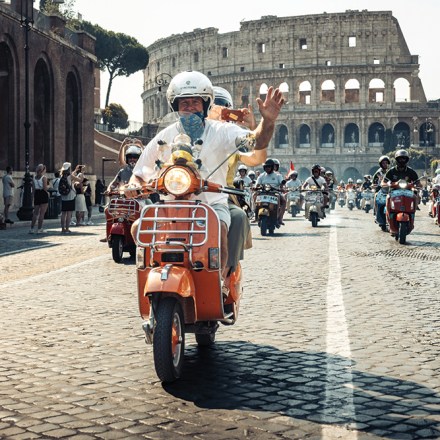
It was 80 years ago in Pontedera, Tuscany, that the Vespa was born. Imagined by Enrico Piaggio, who wanted to give post-war Italy a new means of accessible mass transport, and created by aircraft designer Corradino D’Ascanio, the Vespa (Italian for “wasp”), with its distinctive step-through shape that allowed everyone – including women in dresses and priests in robes – to ride easily, has come to symbolize Italian sprezzatura. D’Ascanio, apparently, was no fan of motorcycles, disliking their messy, oily chains, the difficulty of changing tires after punctures, and what he felt was their uncomfortable riding positions.

Step into the mind of George Lucas via the filmmaker’s new temple to the art of storytelling

The freshly opened Lucas Museum of Narrative Art has been dubbed many things during its eight-year construction: futuristic, controversial, an alien spaceship, a billion-dollar vanity project. But according to Mellody Hobson, the museum’s co-founder alongside her husband, Hollywood filmmaking legend George Lucas, the endeavor is like “stepping into George’s mind.” “We’ve been working on this project together, basically, as long as I’ve known him,” Hobson told the Wall Street Journal. For the record, that would be 21 years – the couple first crossed paths at a business conference in 2005. “George had decided that he was going to build a museum a very long time ago… [it’s] very cool, very creative, unexpected… the detail is so nuanced.

Globe-Trotter’s heritage cases provide a perfect medium for collaboration and restoration

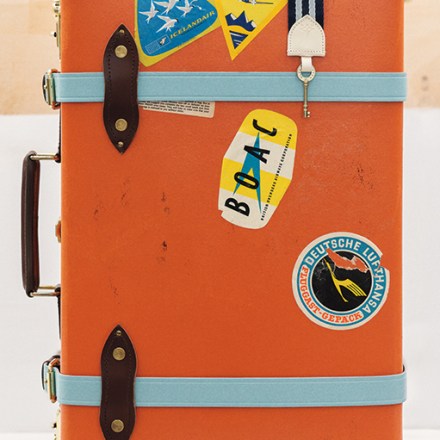
If you’ve walked through an airport with a Globe-Trotter suitcase, you’ll know this scene: heads turn, whispers swirl, inevitably someone will come up and ask, “Where did you get that fabulous suitcase?” Globe-Trotter’s signature case is from its Centenary collection, launched in 1997 to mark 100 years since the company’s founding. It may not be as famous as a Louis Vuitton monogram trunk or industrial Rimowa number, but it is close to the platonic ideal of a suitcase – a children’s illustration luxuriously realized, with handcrafted leather straps, corners, and handles, and an old-fashioned double-lock system that opens with a satisfying click-clunk.

Love is complicated – as is the history of its most iconic and influential deity

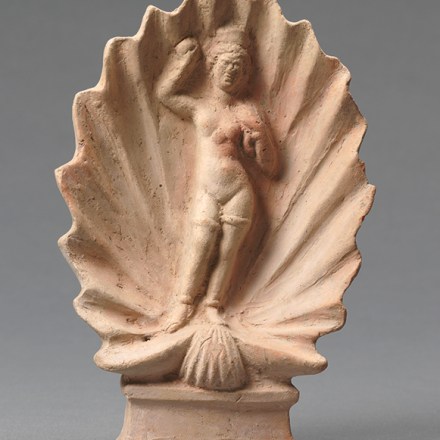
We know Aphrodite as the goddess of love and beauty. But there is more to her. A troublemaker, certainly – she did ignite the Trojan War over a golden apple. But protector of sailors? Symbol of Roman imperial dynasties? As a deity for fertility, she covered all seasons. Roman Republican silver coin (47-46 BCE) [Ashmolean Museum, University of Oxford] Aphrodite: The Making of a Goddess, coming soon to Oxford’s Ashmolean Museum shows through more than 200 objects the extent of the goddess’s influence on the minds of the ancient world – and how her myth, and that of Venus, her Roman name, has lasted more than 5,000 years to the present day.

Despite its squelchy origins, the brogue has become a classic fall footwear staple

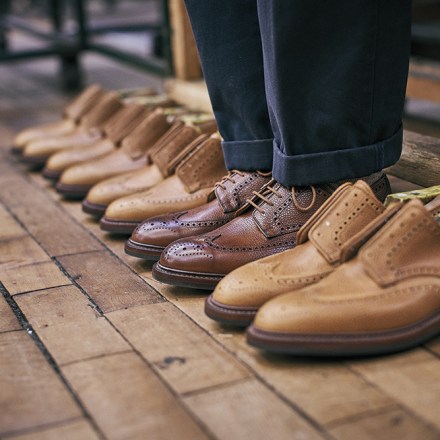
Few shoes have traveled as far as the brogue. Its origins lie in the boggy countrysides of Scotland and Ireland, where its signature rows of tiny perforations (called broguing) were said to help drain water from sodden leather. That practical purpose disappeared long ago, but the detailing remained. Today, while its close relative, the plain Oxford, belongs in the office, a brogue looks as though it has loosened its tie and gone somewhere nice for lunch. It comes into its own at this time of year, too. As wardrobes move away from cotton towards flannel, corduroy, and heavier wool, the brogue simply looks right. For a shoe that has been around for well over a century, it still leaves shoemakers a surprising amount of room to maneuver.

Rewild your aesthetic with high-jewelry pieces that draw on elements of the sky, sea, and shoreline

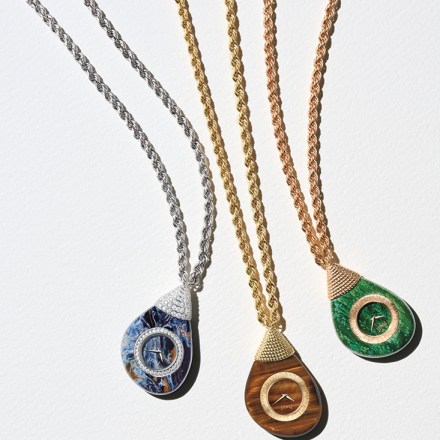
It could be argued that the true wizardry of high jewelry lies not only in extraordinary craftsmanship, but in its rare ability to distill vast ideas into exquisite miniature works of art. Within the confines of a jewel, entire worlds can be summoned. The following collections do precisely that, capturing our enduring fascination with the celestial realm above and the mysterious waters below, translating sky and sea into poetic jewels that reinterpret familiar forms with imaginative vision. Sophie Bille Brahe’s Sky 3 diamond ring For her debut high-jewelry collection, Tangerine Sky, Sophie Bille Brahe found inspiration in the playful unpredictability and ethereal beauty of clouds, albeit indirectly.

Montblanc really sank its teeth into this suitably gothic homage to one of horror’s literary greats

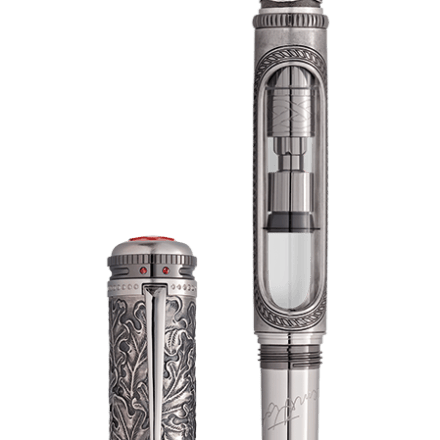
Autumn is a season tinged with shades of the supernatural – when nights lengthen, imagination unfurls its inky wings, and All Hallows’ Eve sees the veil between the realms of fact and folklore become gossamer-thin. It’s a season for tales best told in the dark. What better time, then, for luxury pen maker Montblanc to honor an innovator of the horror genre with its Writers Edition Homage to Bram Stoker collection: a tribute to the author who gave us an indelible archetype of the vampire legend with his gothic masterpiece, Dracula.

Playwright Lindsey Ferrentino’s visceral writing finds the ordinary in extraordinary people

Working with Kim Kardashian wasn’t on Lindsey Ferrentino’s “dance card,” the playwright opined in a recent social media post. And it’s true, at first glance the collaboration might jar. But the pair have found common ground on the subject of prison reform, leading Kardashian to come onboard and produce Ferrentino’s latest Broadway production, The Fear of 13, which tells the true story of an American man who spent 22 years on death row for a murder he did not commit. Raised in South Florida, Ferrentino is the daughter of a former X-ray technician father who made the unusual transition to stand-up comedy and magic shows, at one stage touring alongside Crosby, Stills, Nash & Young. At 17, she chose the age-old migration path, landing in New York to pursue acting.

Handmade leather bags from one of Birmingham’s last remaining gunmakers

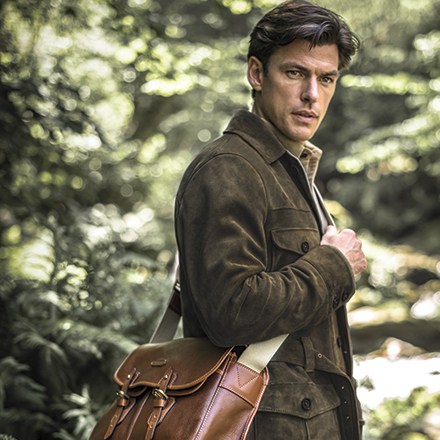
Most people know Birmingham in the UK as the soot-blackened backdrop to period crime drama Peaky Blinders – or the birthplace of leather-clad rockers Black Sabbath. But two centuries ago, Birmingham was known as “the workshop of the world” or “the city of a thousand trades,” thanks to thousands of small workshops specializing in all manner of handmade goods – from guns and jewelry to buttons and pens. Although many of these workshops have since been swallowed into the soot, a handful have survived, and one of the city’s few remaining gunmakers is Westley Richards. William Westley Richards opened his first shop in 1812, overlooking what is now the Bullring Shopping Centre in the center of Birmingham.

With Thom Sweeney’s Madison Avenue opening, America’s crush on British tailoring has become a full-blown love affair

Purveyors of premium menswear don’t come more British than Thom Sweeney. The house’s roster of celebrity clients includes Daniel Craig, Tom Hardy, and Davids Gandy (of D&G ad fame) and Beckham. Walk into its London flagship – a four-story townhouse on Mayfair’s Old Burlington Street – and you’re likely to hear The Rolling Stones or Britpop blasting through the speakers. Even the house cut – high armhole, slim sleeve, silhouette softened a little – is characteristically British. Thom Sweeney’s ‘elevated and grand’ Madison Avenue interior [Matteo Verzini] So it’s perhaps inevitable that America has embraced Thom Sweeney with such gusto.

National Geographic’s new museum, supported by Rolex, is an immersive tribute to the history and pursuit of exploration

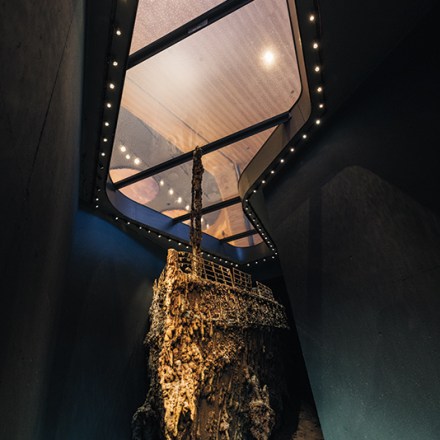
“To date, I’ve made 75 deep submersible dives, including 33 to the Titanic,” filmmaker James Cameron announced at the inauguration of the new National Geographic Museum of Exploration in Washington, DC earlier this year. Only feet away from the Hollywood director lay a scale replica of the prow of the ill-fated ship, one of the exhibits at the museum, authentically covered in what look like assorted organisms of the deep. “In 2001, I started work with a new sub that could go to the deepest place in the world’s ocean, and I worked with this polymath engineer in Australia [called] Ron Allum,” Cameron explained. “It took us seven years to build the Deepsea Challenger, and that expedition would not have been possible without Rolex acting on its own spirit of exploration.