
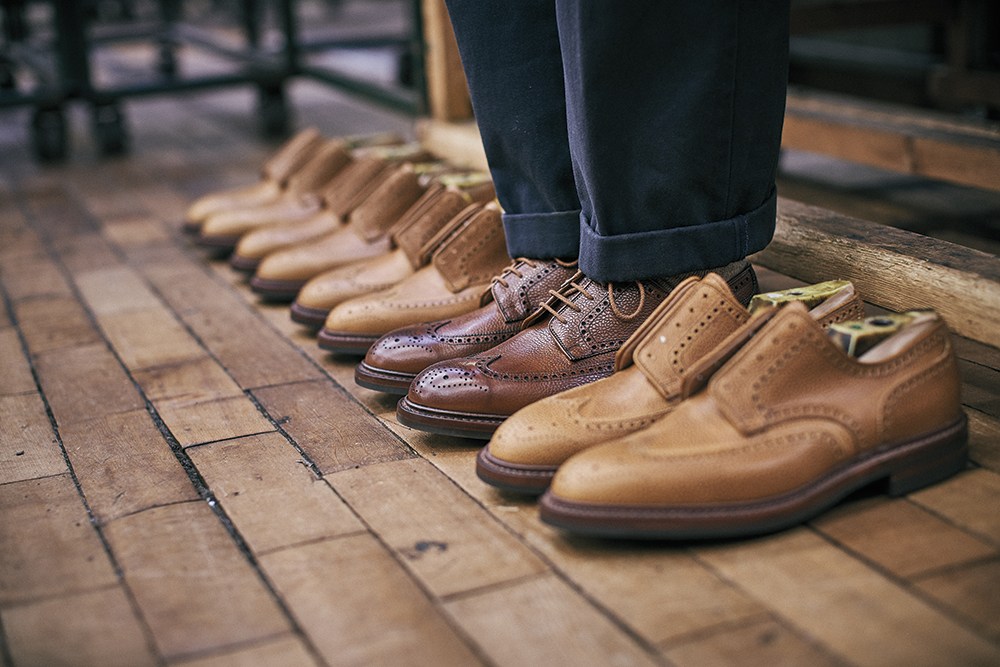
Few shoes have traveled as far as the brogue. Its origins lie in the boggy countrysides of Scotland and Ireland, where its signature rows of tiny perforations (called broguing) were said to help drain water from sodden leather. That practical purpose disappeared long ago, but the detailing remained.
Today, while its close relative, the plain Oxford, belongs in the office, a brogue looks as though it has loosened its tie and gone somewhere nice for lunch. It comes into its own at this time of year, too. As wardrobes move away from cotton towards flannel, corduroy, and heavier wool, the brogue simply looks right. For a shoe that has been around for well over a century, it still leaves shoemakers a surprising amount of room to maneuver.
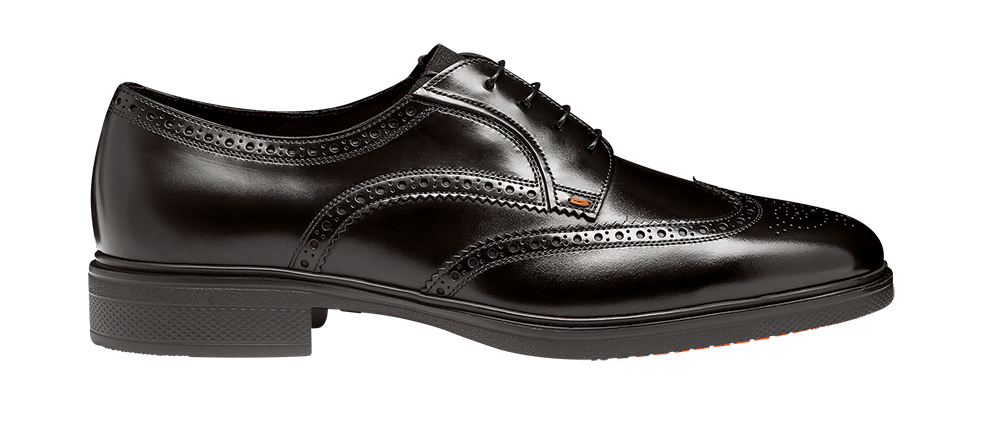
Santoni’s Easy Brogue starts with a familiar Derby and reworks almost everything beneath the surface. It weighs just 295g – remarkably light for a leather brogue – and hides elastic beneath the laces, while a perforated nappa-leather lining and a memory-foam insole bring some of the comfort of a trainer to a traditional leather shoe. The orange rubber sole carries a tread inspired by Santoni’s signature double-buckle detail. It still looks like a brogue, it just doesn’t feel entirely like one.
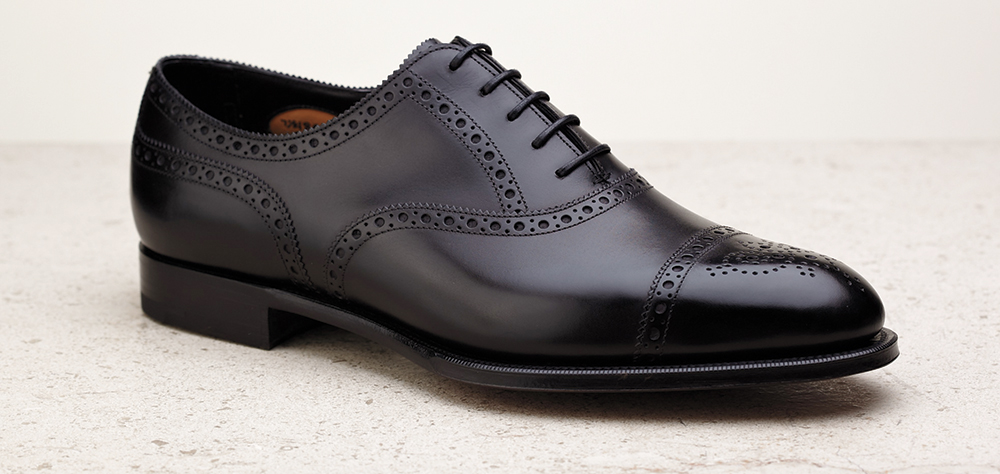
The Cadogan shows Edward Green at its most characterful. Cut from the company’s Dark Oak antique calf leather, its color is built up through layers of hand-finishing. Its single leather sole spends nine months tanning in oak, spruce, and mimosa bark. The shoe is made on the brand’s long-established 202 last, with its gently rounded toe and classically English proportions. There’s little attempt here to make it feel contemporary. Wearers may comfort themselves instead by knowing they have invested in perhaps the pinnacle of exceptional English shoemaking.
Crockett & Jones keeps the brogue closest to its roots. The Pembroke is a full-brogue Derby in dark brown Scotch grain, with a storm welt and Dainite rubber sole. None of those details is there for show. The grain leather is hard-wearing, the welt helps keep out water, and the rubber sole provides grip underfoot. Few owners will ever use it to cross a Scottish bog, but the Pembroke still feels ready for one.
Best known for its women’s shoes, Manolo Blahnik approaches the brogue from yet another direction. The Witney Oxford is made in Italy from calf suede, with a narrower almond-shaped toe and a leather sole. Against the heavier grain leather and rounder proportions of a traditional country brogue, it appears leaner, and more elegant. The broguing remains, but the result is closer to an elegant dress-shoe than something intended for lolloping through the wet grass.
Perhaps that’s the brogue’s enduring gift;its identity is strong enough to survive all this. Make it lighter, polish it by hand, prepare it for bad weather, or cut it from suede: it still looks like a brogue.




Comments