
When the 1960s really began to swing, one of the most significant cultural shifts was the assault on the class barriers that had long straightjacketed UK society. The new “faces” that appeared on TV, in film, in magazines, and in the charts were mostly working-class lads – actors Michael Caine and Terence Stamp, musicians John Lennon and Mick Jagger, and in what would become regarded as the quintessentially ’60s profession (partly thanks to Antonioni’s 1966 movie Blow Up) photographers David Bailey and Terry O’Neill. One member of this cohort, however, was not of the gritty, “Straight Outta Stepney” variety, but born in upscale Belgravia.
Antony Armstrong-Jones was from a well-to-do family (barrister father, mother a famed debutante from the Messel banking family who, on remarrying, became Countess of Rosse). Yet the British public embraced this society photographer as one of the key figures in the vanguard of those shaking up the old order.
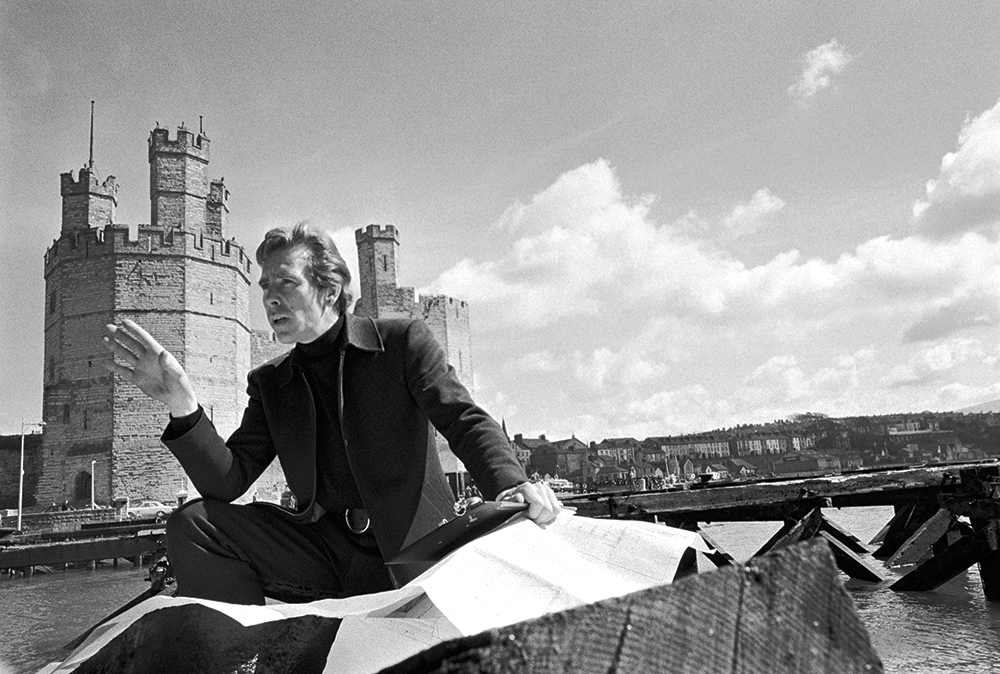
This remained the case even when Armstrong-Jones vaulted over one class barrier that had remained resolutely uncrumpled, that of the Royal Family, by marrying the Queen’s sister, Princess Margaret. She was dubbed the “Party Princess” by the press, meaning that even when Antony Armstrong-Jones morphed into Lord Snowdon, he was not part of the fustier end of the Establishment but a new, glamorous incarnation of royalty, one that could encompass dinner invites to Kensington Palace for poet and writer John Betjeman, singer and actor Cleo Laine, and the actors/comedians Spike Milligan, Dudley Moore, and Peter Sellers.
Snowdon and Sellers were particularly close. Tony (as everyone called him) bought Sellers’ pearlescent blue drophead Aston Martin DB5, a classic car of the era, the badge of a Man About Town. Famously, Snowdon also loved motorcycles, riding a Norton 500 Twin around town, with the Princess on pillion.
“Between the fairytale nature of his romance with Princess Margaret, his playboy reputation, and his much-admired creativity as a photographer, Snowdon is an inspiring figure who simultaneously inhabited the uppermost echelons of the British aristocracy and the cool Swinging Sixties of London,” says Dunhill’s chief creative designer Simon Holloway. “The ease with which he existed in these contradictory worlds was heightened by an extraordinary personal style: refined and rugged.”
Tony’s sense of style and elegance came from his mother, who was widely praised for her fashion sense and wore Schiaparelli and Molyneux. A hint of flamboyance was supplied by his uncle Oliver, a theatre designer who worked on the Taylor-Burton screen version of Cleopatra. Tony was never content with following the norm. When he went shooting, he wore the expected tweeds, but often with a black polo neck and suede Chelsea boots. At black tie events he sometimes opted for a white polo neck and blue velvet smoking jacket. As one friend summed up Tony’s attitude to convention and conformity to biographer Anne de Courcy: “He always likes to come in through a different door.”
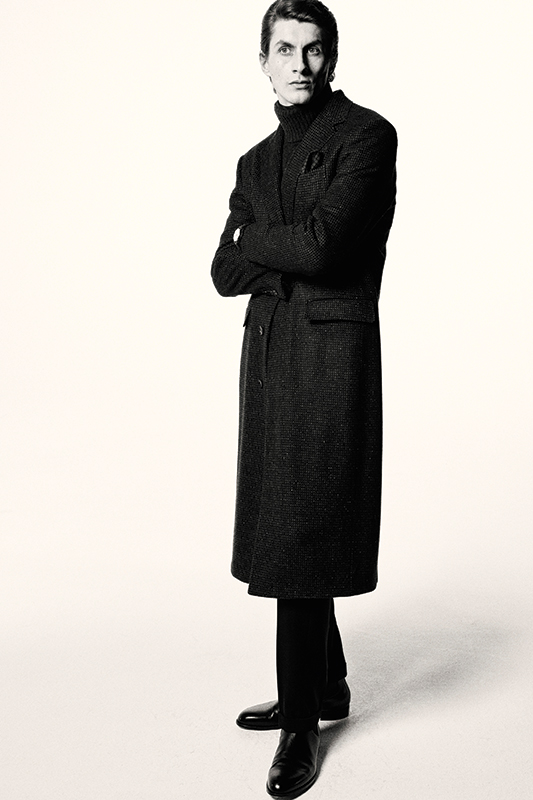
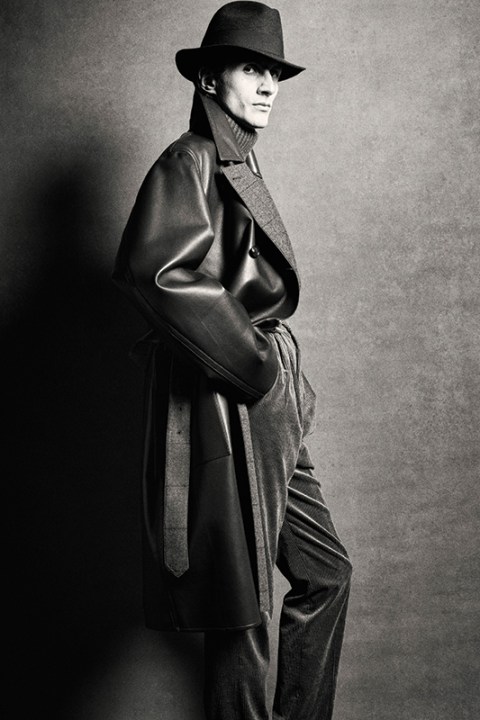
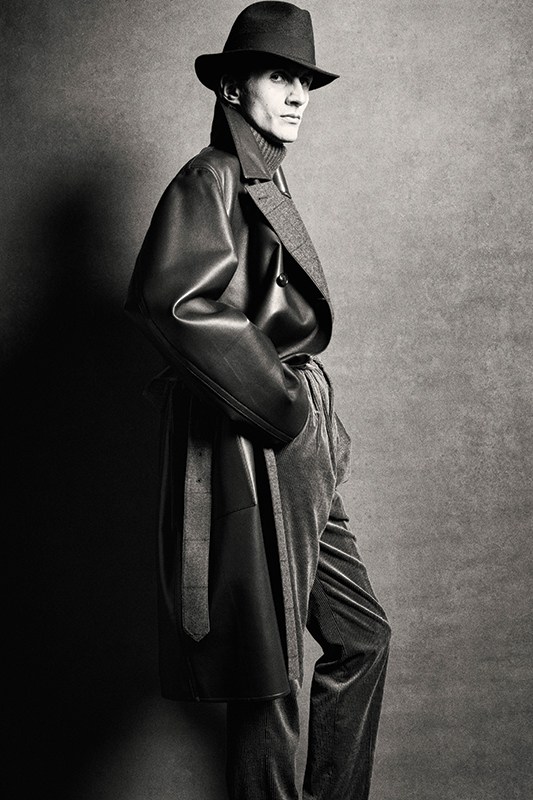
Lord Snowdon was a shapeshifter – a mod, dandy, biker, playboy, designer, photographer, documentary-maker, royal consort, fervent campaigner for disability rights, and committed practical joker. Now, Dunhill has chosen the chameleonic Antony Armstrong-Jones as a muse for its autumn/winter 2026 collection.
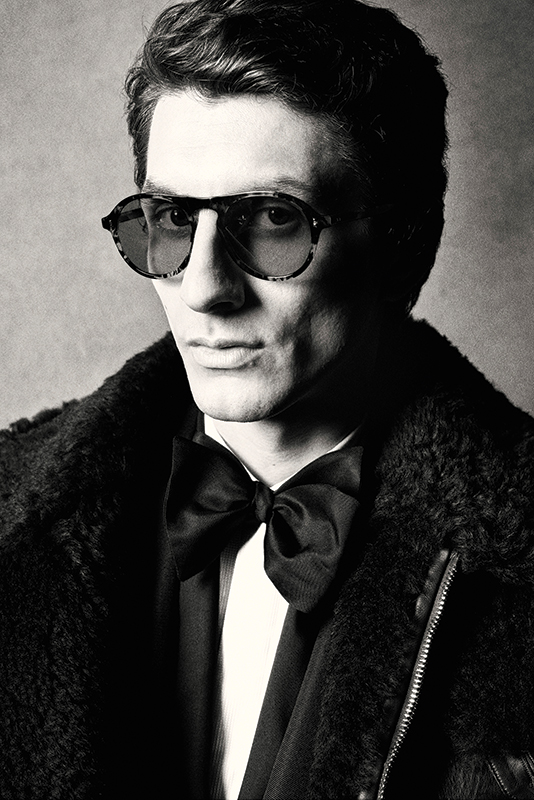
You can see his influence in the rugged leather shearling aviator jacket over black tie, and the graphite suede car coat that demands pairing with a DB5 sports car. Dunhill’s signature Bourdon-cut suits are here, rendered in sharkskin, birdseye, and nailhead, some with matching topcoats. There’s casual insouciance from silk scarves; bench-made Chelsea boots in calf or suede – a Snowdon perennial; elegant high-button velvet evening jackets; the Michael Caine-like “car coat” mac, updated with a thermostatic sporting layer; and leather driving gloves, a Dunhill staple since the early days of motoring. It is Snowdon rebooted (and re-suited) for the 21st century.
The collection is a comprehensive tour-de-force of the modern male wardrobe, relishing, respecting, and, where necessary, revamping Tony’s singular vision of what fashion should and could be. “[Snowdon] was ultimately a sartorial hagiography of the stylish English man at his very best,” says Dunhill’s Holloway. “Perhaps to this day, never bettered.”



Comments