
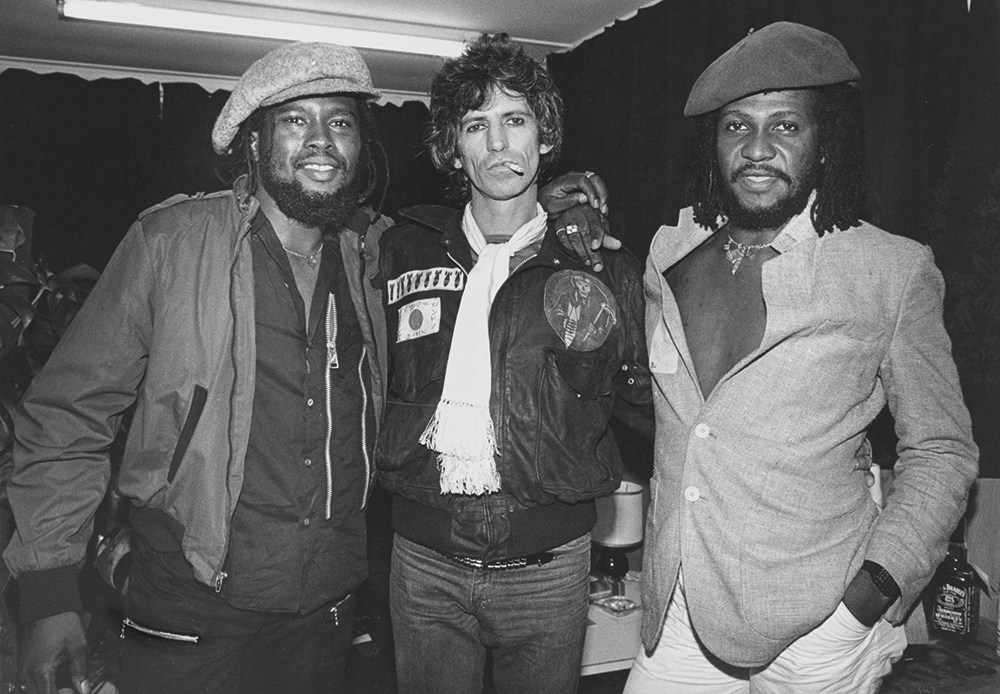
1972 was a watershed year for the Rolling Stones. On the face of it they should have been riding high: they had released Exile on Main Street to great critical acclaim and healthy sales – nearly a million copies in the first week alone – and undertook a lucrative US tour that became as famous for its off-stage excesses as for the music. The Tucson Citizen described one of the shows thus: “Outrageous. Picaresque. Jaunty. Flagitious. Taunting, teasing, tempting… an hour and a half of bad influence on your daughter and exquisite bacchanal rock from Mick Jagger and his band.” I’m sure the others would have had something to say about the Stones being Mick’s band, but it represented an apotheosis of the group’s carefully cultivated bad-boy, “anti-Beatles” image, initially crafted by one-time manager Andrew Loog Oldham.
But there were ominous clouds gathering on the horizon, and by November, in trouble with the authorities, the band were – ironically, given the title of their most recent album – effectively in genuine exile. Richards recalls how they headed for the Caribbean in According to the Rolling Stones (2003): ‘‘For Goats Head Soup, Jamaica was one of the few places that would let us all in! By that time about the only country that I was allowed to exist in was Switzerland, which was damn boring for me, at least for the first year, because I didn’t like to ski – and then I got to get out on the slopes and it was great… I’d rather be in the warm than the cold – hence Jamaica, probably – and also it started to become a kind of adventure.”
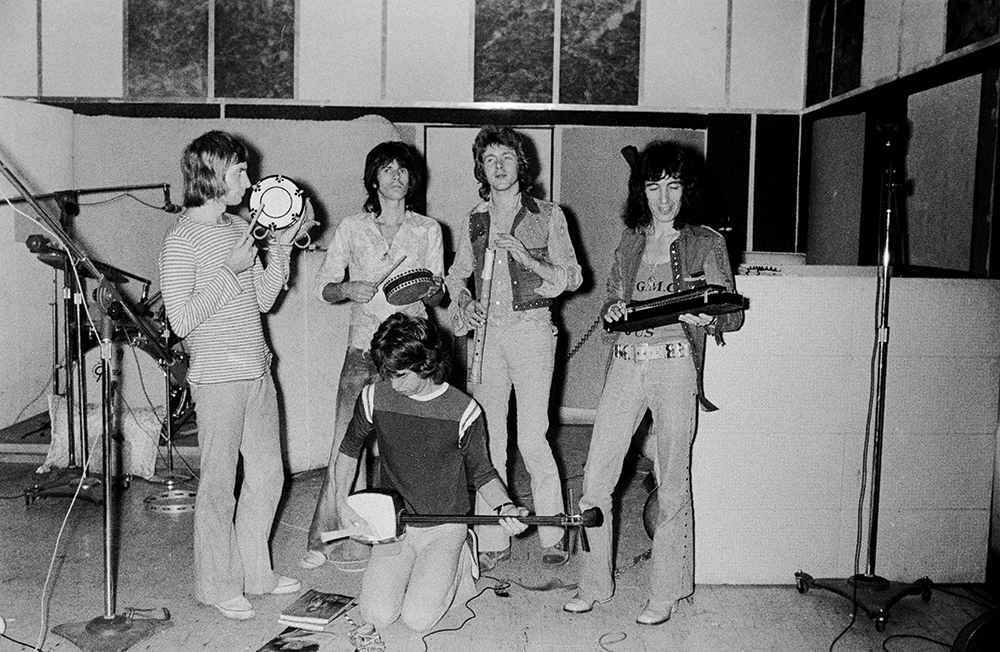
It was the start of a very long relationship between the island and the Stones, with Keith being especially smitten from the moment he stepped foot there.
Today, sitting in Jimi Hendrix’s Electric Lady Studios in New York, he remembers what it was like to land in Kingston: “It was like being in England with The Beatles and us, like, 10 years before. There is something in the air. You don’t know quite what it is, but you know, and you feel it from everybody on the street, in the stores, that there was a vital thing happening with reggae. And then, of course, soon after that, it really blossomed, you know. It was fantastic to see the [Jamaican] people, like, feel a sense of identity and joy, and a happiness about having something of their own. And that was really hitting the rest of the world, big time. I just felt privileged to be there and feel that, because, you know, most places are pretty down.”
‘I remember watching the ambiance of Kingston directly affect the mood of the album… seeping into the soul of the record’
One reason that Jamaica wasn’t “down” was because of the pride in the recent international success of the movie The Harder They Come, starring Jimmy Cliff, and its killer soundtrack, which acted as a gateway to reggae for many a rock fan. Richards had been listening to it repeatedly while in the South of France. And on top of that, towards the end of ’72 anticipation was building around the release of the new Wailers album Catch A Fire for Island Records, which would be their international breakout record. It had been recorded at three Kingston studios – Dynamic Sounds, Harry J. Studio, and Randy’s Studio 17, mostly on eight-track. Dynamic Sounds was where the Stones would lay down tracks for Goats Head Soup in November-December 1972. As Richards observed, there was something in the air and, no doubt, in those studio walls.
Goats Head Soup, though, was not a reggae album – “Angie”, “Star Star”, and “Doo Doo Doo Doo Doo (Heartbreaker)” were the standout tracks, and they certainly don’t sound local. As Richards said: “I like reggae very much, but I could never figure out the rhythm. I’d probably have to play with Jamaican cats to get the groove” – which he later would, almost nonstop, for several years. “We just came here to use the studios, not to try and play reggae.” And he told a local paper, as reported in Pressure Drop: Reggae in the Seventies: “We love [reggae] and we love dancing to it, but we believe you Jamaicans play it a lot better than we do, and, really, there is nothing we can offer reggae.” It would turn out, though, there was a lot that reggae’s homeland could offer the Stones.
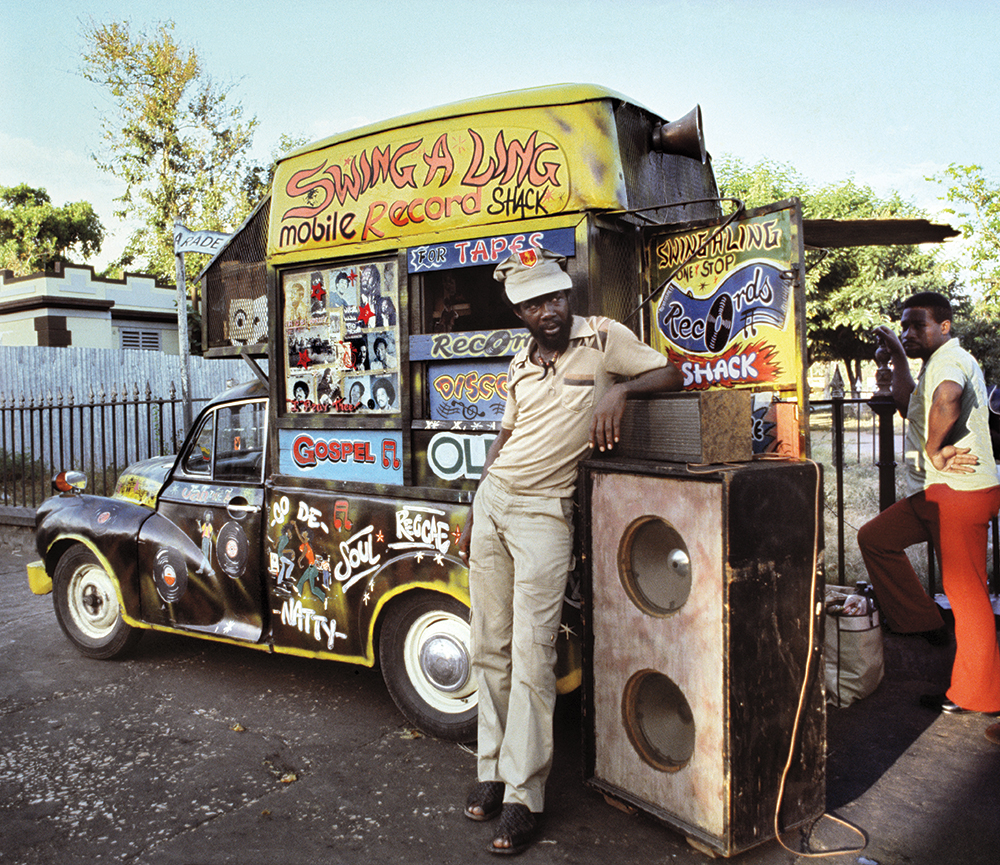
Marshall Chess, president of Rolling Stones Records, felt that the influence of the location was profound, but much subtler than a simple mimicking of reggae rhythms. In According to the Rolling Stones, he says: “I remember watching the ambiance of Kingston directly affect the mood of the album, with the hot weather and sultriness seeping into the soul of the record.”
Jagger agreed. He told Uncut magazine: “It was all centered on Jamaica, even though it has no Jamaican music on it, it has a unity of time and place.” Even the title of the album is Jamaican – goats head soup (aka “mannish water”) is a traditional aphrodisiac concoction given to the groom on his wedding night.
Richards might not have embraced the local music just yet, but he took the island to heart. He initially rented a place (from Island Records founder Chris Blackwell) in Mammee Bay, between Ocho Rios and St Ann’s Bay, and a couple of years later bought a villa called “Point of View” in the hills above Ocho Rios. Rastafari colors were painted on the gates, along with a portrait of reggae great Gregory Isaacs. It was hard to miss.
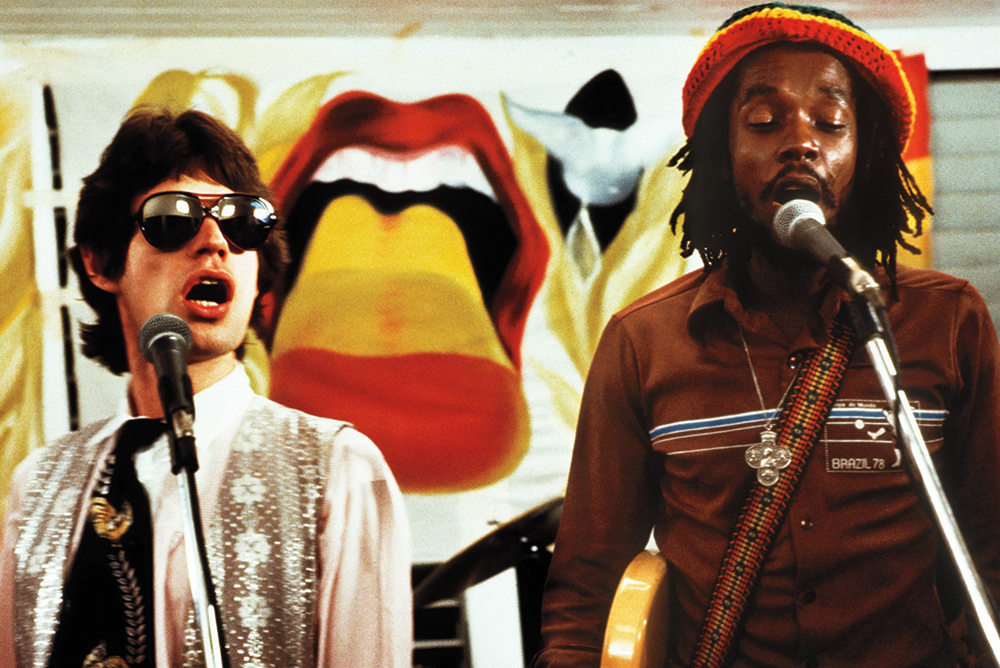
By the mid-’70s Richards had been thoroughly assimilated by the community, finding a whole new family, as he explained in Life, his autobiography from 2010: “In those days when I hung out in Steer Town, I could walk in any door and my every need would be satisfied. I was treated as family, and I acted as family. Not acted! I behaved like family, became family… I’d fallen in with just the right bunch of guys, and their old ladies. It was one of those across-the-tracks things – just being accepted and welcomed into something I didn’t know existed.”
Jagger also bought a house in Ocho Rios, although he never immersed himself in island life quite like his friend. It’s debatable whether any outsider ever has, before or since.
‘Jamaica got into everything we did in the early ’70s. The rum, the culture, the music – it was all part of the same thing’
The Stones appreciation and feel for reggae and Jamaica itself did have a long-term impact on the band musically, starting with “Luxury” on 1974’s It’s Only Rock ’N’ Roll and continuing with the Black and Blue sessions in Munich in ’74-’75, which yielded several reggae-influenced tracks, including “Cherry Oh Baby” and “Hey Negrita”. While living in Jamaica, Richards jammed, and eventually recorded with the Wingless Angels, a local group made up of Rastafarian part-time musicians who helped him find the ur-groove of the island’s distinctive rhythms. As he told Rolling Stone magazine: “This music is so antique, so ancient. It’s pre-reggae, pre-Jamaican. It’s all about expression, the desire for being cured.”
Throughout the ’70s and ’80s various members of the Stones watched, played, recorded, or just hung out with a whole phalanx of great reggae artists including Bob Marley and Lee “Scratch” Perry. Peter Tosh was signed to Rolling Stones Records and supported the band’s US shows; Max Romeo and, Keith’s favorite, Gregory Isaacs (“One of the best songwriters that came out of that island and a sweet singer,” as he said on Desert Island Discs) were almost signed to the label, and benefited from the presence of various Stones both on record and live. Keith recorded with the legendary reggae powerhouse rhythm-section of drummer Sly Dunbar and bassist Robbie Shakespeare (Stones drummer Charlie Watts loved the former so much he had “Sly Dunbar Fan Club” badges made). The pair played on “Feel On Baby” from the Stones’ Undercover album (1983), a full-on reggae track recorded at Chris Blackwell’s Compass Point Studios in the Bahamas. A dub instrumental remix of it is on the B-side of the “Undercover Of The Night” 12-inch single. Black Uhuru and Toots and the Maytals opened for the Stones on various tours in Europe.
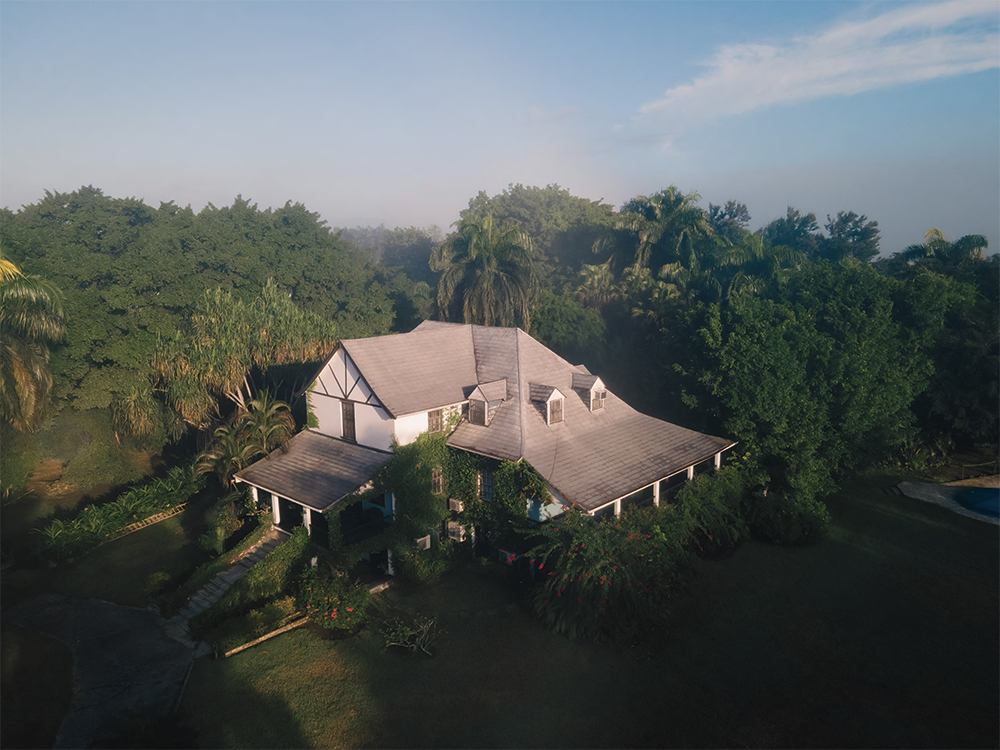
The list of connections between the Stones and reggae – and its island home – goes on, right up to Mick traveling to GeeJam studios near Port Antonio in Jamaica to work on tracks for the Hackney Diamonds album, the one before this year’s Foreign Tongues record (which includes much material that originated during the Hackney Diamonds sessions).
Now, the Rolling Stones have launched their own Jamaica rum, Crossfire Hurricane, its name taken from the song “Jumpin’ Jack Flash”. “One aspect of the blend is making sure there is the bit of the funk, which is part of what makes Jamaica rum Jamaica rum,” says Ian Burrell, global rum ambassador and Crossfire Hurricane’s co-creator. “With that touch of funkiness, you can tell straight away… it’s Jamaica rum!”
It comes in two expressions: the lighter, more cocktail-friendly Gold (Burrell describes it as having notes of “orange peel, vanilla, allspice, touches of nutmeg, citrus, boiled candy”) and the sipping-style Reserve (add banana and pineapple to the above), an older, more complex drinking rum which can also be used in long cocktails such as rum manhattans. All the elements for both are sourced from four of Jamaica’s six rum distilleries. It might seem like just another celebrity-fueled spirit launch, but to anyone who knows, a taste for rum is synonymous with a regard for the island.
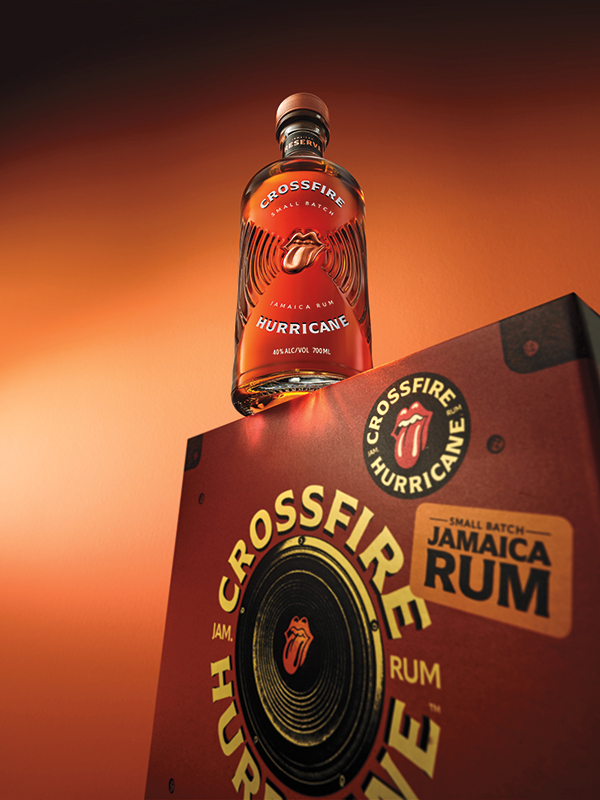
“Rum is so much more than just a spirit, it’s a way of life [for Jamaicans],” Burrell explains. The spirit is present in every celebration right up to death, with traditional funerals involving a nine-night wake, where each evening a toast is raised to the deceased. So, the Stones will know well how integral rum is to Jamaica. “The Rolling Stones came to the island to record Goats Head Soup and they were massively affected and influenced by Jamaica, its music, people and lifestyle,” says Burrell. “Why shouldn’t they show recognition and appreciation for that by having their own brand of rum?” Jagger agrees: “Jamaica got into everything we did in the early ’70s. The rum, the culture, the music – it was all part of the same thing. Crossfire Hurricane is a way of honoring that.”
So, rather than being just a marketing opportunity, Crossfire Hurricane is the next stage in a long-running love affair between the Rolling Stones and Jamaica, with the “Human Riff” that is Keith Richards as its paramour-in-chief. As he says in According to the Rolling Stones: “After Goats Head Soup, I’ve lived [in Jamaica] whenever I can. I have family there – villages welcome me with open arms. They like music and they like musicians… I think there’s a certain power of influence that comes up from the roots in Jamaica. It kept me there – I didn’t leave.” Arguably he still hasn’t.





Comments