
Most people know Birmingham in the UK as the soot-blackened backdrop to period crime drama Peaky Blinders – or the birthplace of leather-clad rockers Black Sabbath. But two centuries ago, Birmingham was known as “the workshop of the world” or “the city of a thousand trades,” thanks to thousands of small workshops specializing in all manner of handmade goods – from guns and jewelry to buttons and pens. Although many of these workshops have since been swallowed into the soot, a handful have survived, and one of the city’s few remaining gunmakers is Westley Richards.
William Westley Richards opened his first shop in 1812, overlooking what is now the Bullring Shopping Centre in the center of Birmingham. Over the centuries, the business became known as one of the greatest gunmakers in Britain, producing just 25-30 firearms per year – including for celebrated hunting-types like Ernest Hemingway and Stewart Granger. It also makes high-quality leather goods to go with them, gun slips and the like, although the brand’s leather business particularly boomed after it moved its factory to the edge of Birmingham’s original Gun Quarter and expanded its leatherworking department.
“What’s paramount is that everything is made in England by genuine artisans of the highest caliber,” says creative director Stephen Humphries. “[We have] timeless design, an association with safari and field sports, the best materials money can buy, and traditional handcrafted techniques.”
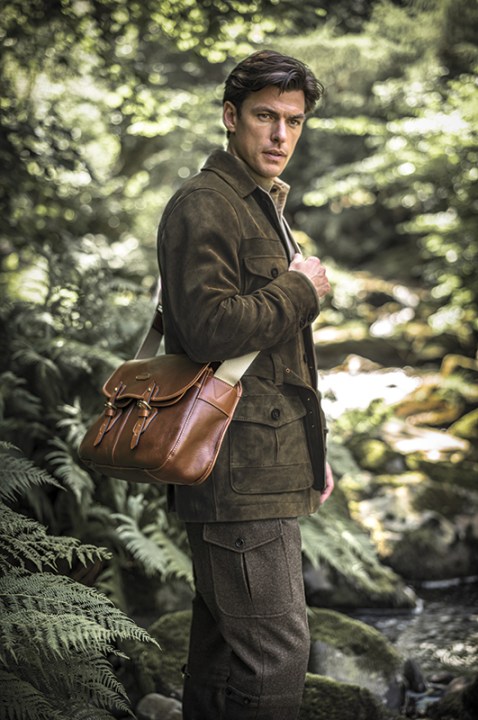
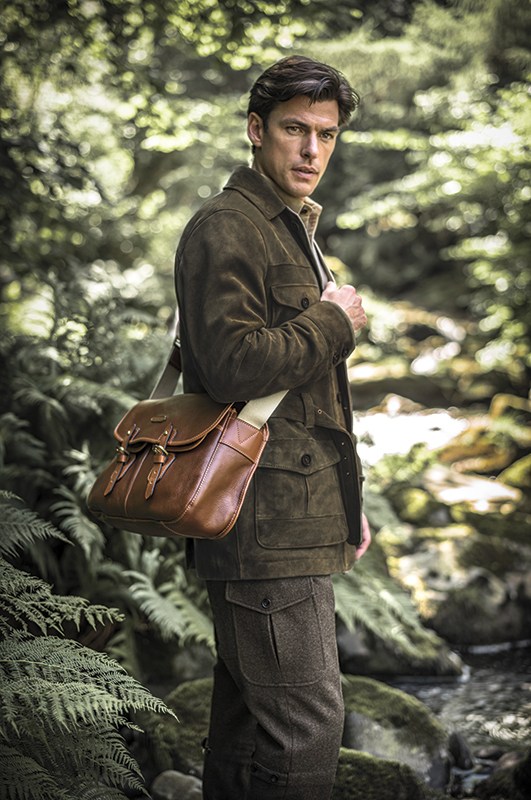
In recent years, the brand has broadened its line of beautifully made leather travel bags, which are hand-crafted in-house and designed for all manner of outdoor pursuits – whether you’re stalking through the Sahara or stepping onto the subway. These include a collection named after its original Victorian factory, Bournbrook; a safari-ready collection inspired by hunter and Westley Richards customer James Sutherland; and the Explora rucksack range, designed for hands-free travel and newly available in Elephant Grey suede after a year of rigorous testing. The brand also takes on bespoke commissions, which take four to six weeks to complete, with customers even welcome to supply their own hides.
Next year, the factory will unveil its extended leather department, with more “off the shelf” bags available to take home that day. This, of course, creates more time for the team to work on bespoke commissions, meaning you can often see the artisans in action on a visit to the factory.
“The best way to describe us is part-museum, part-factory,” suggests Humphries. It seems the aim is not so much to put Birmingham back on the map as making sure it stays there. And that traditional gunmaking and leatherworking continue for centuries to come.





Comments