
On 31 August, one of England’s oldest schools closed its doors forever, after almost 14th centuries. A thread connecting modern Britain to its past has been quietly severed.
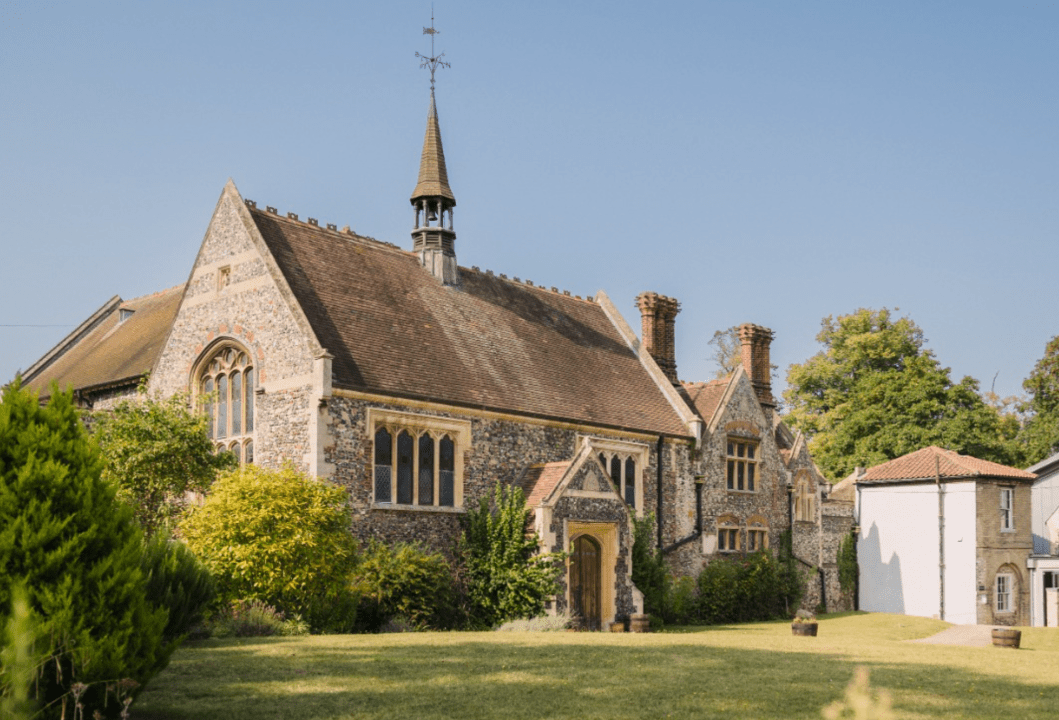
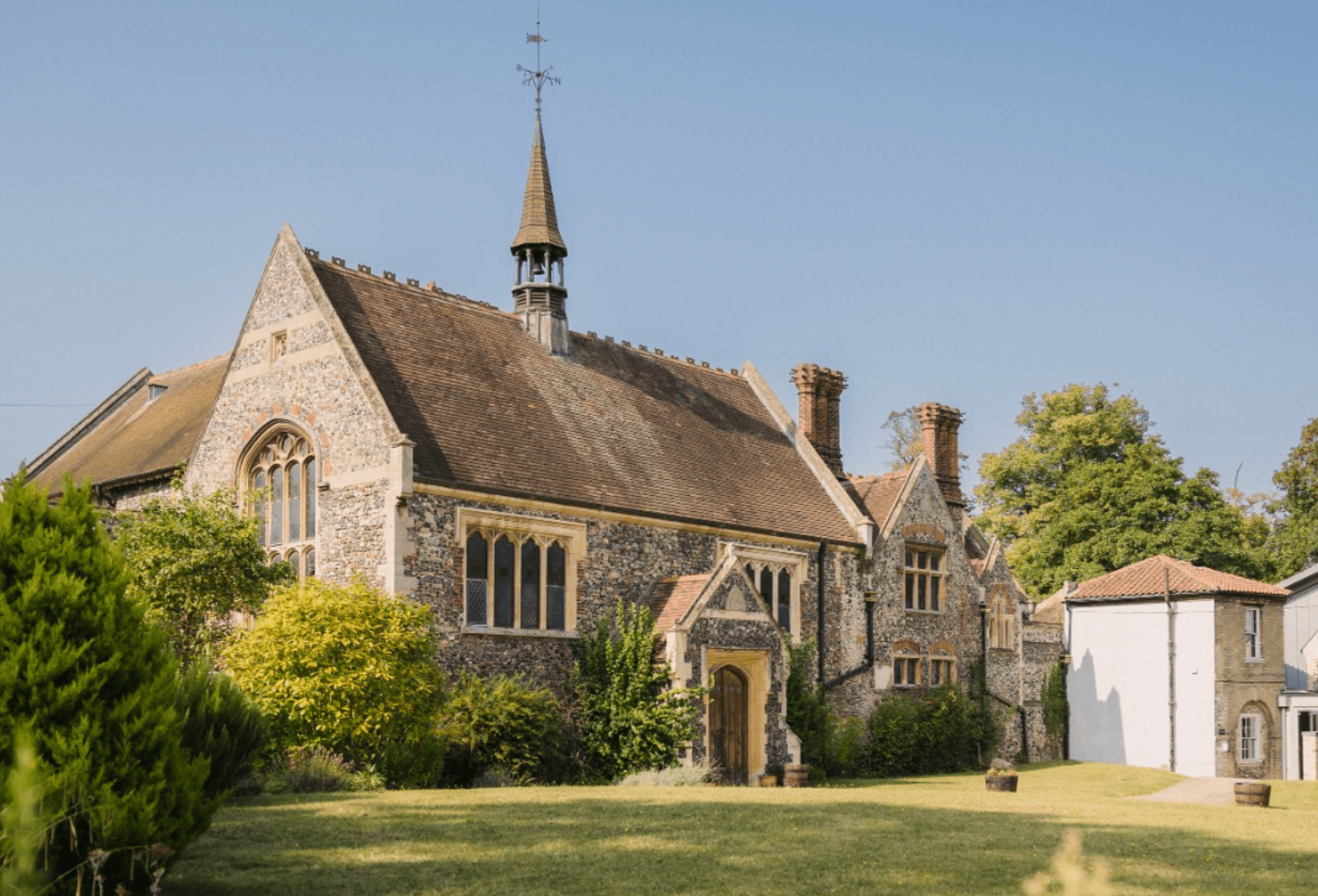
Thetford Grammar’s origins can be traced back to ad 631 when King Sigebert of East Anglia founded a monastery on the site. Two of its classrooms are named after Dean Bund and Bishop Herbert De Losinga, who wrote about the school in c. 1114. Despite a hiatus in 1496, education continued in 1566 with the re-founding by Sir Richard Fulmerston.
The main school site holds within it a great deal of history too. The ruins of the old Blackfriars monastery are woven into the later buildings, and an 11th-century depiction of the tree of life sits over the doors to Old School. Rumours that the site was temporarily home to a cathedral remain inconclusive, but discoveries by Time Team in 1998 revealed more of the school’s storied past. It is in the Old School that, in 1744, the political philosopher Thomas Paine received his education. But Paine is only one of countless notable alumni who have been formed there.
The point I am making is that this is a school, an institution, which is steeped in tradition and history. Not just a business, but, in its own small way, a place that has contributed to the building of our nation for centuries.
The closure is not an isolated tragedy. Since the introduction of VAT on independent school fees, dozens of smaller schools have announced closure or merger. These are rarely the famous names. They are the tiny local schools you have never heard of, ones that exist on narrow margins. Many independent schools educate fewer than 200 pupils (Thetford Grammar had around 160). And their fees are often far lower than the public imagines, with many families making considerable financial sacrifices because they believe the education for their children is worth it.

The sad reality of the VAT increase is that, for the big-name private schools, fee raises have made little difference. Instead, it is the small schools, often the ones working with large percentages of SEND pupils, that can’t absorb the rise.
Yes, it is true that Thetford Grammar had already been struggling prior to the VAT changes. But schools operating on margins of 2 or 3 per cent simply cannot absorb an immediate 20 per cent increase in fees, while simultaneously facing higher national insurance contributions, increased minimum wages and rising energy costs. Schools already weakened by years of financial pressure have suddenly found themselves without budgetary room to manoeuvre.
Yet few outside of the independent sector seem particularly worried. Too often these schools are imagined as playgrounds for the ultra-wealthy rather than the small communities many actually are. Sadly, the reality is that people do not see the value of maintaining these institutions because they don’t understand why they are important and they don’t understand the ways in which such places helped build the Britain they have inherited.
We spend millions preserving castles, abbeys, stately homes and parish churches because they embody our past. Schools, I suggest, deserve the same respect. They are not simply buildings, but living institutions, passing traditions from one generation to the next. They are communities shaped by inherited practices, accumulated traditions and shared memory. In their oldest forms, these schools preserve and embody Britain’s cultural inheritance just as surely as any cathedral or castle.
With the closure of Thetford Grammar and other small independent schools, our country moves ever further away the roots that once made it great.





Comments